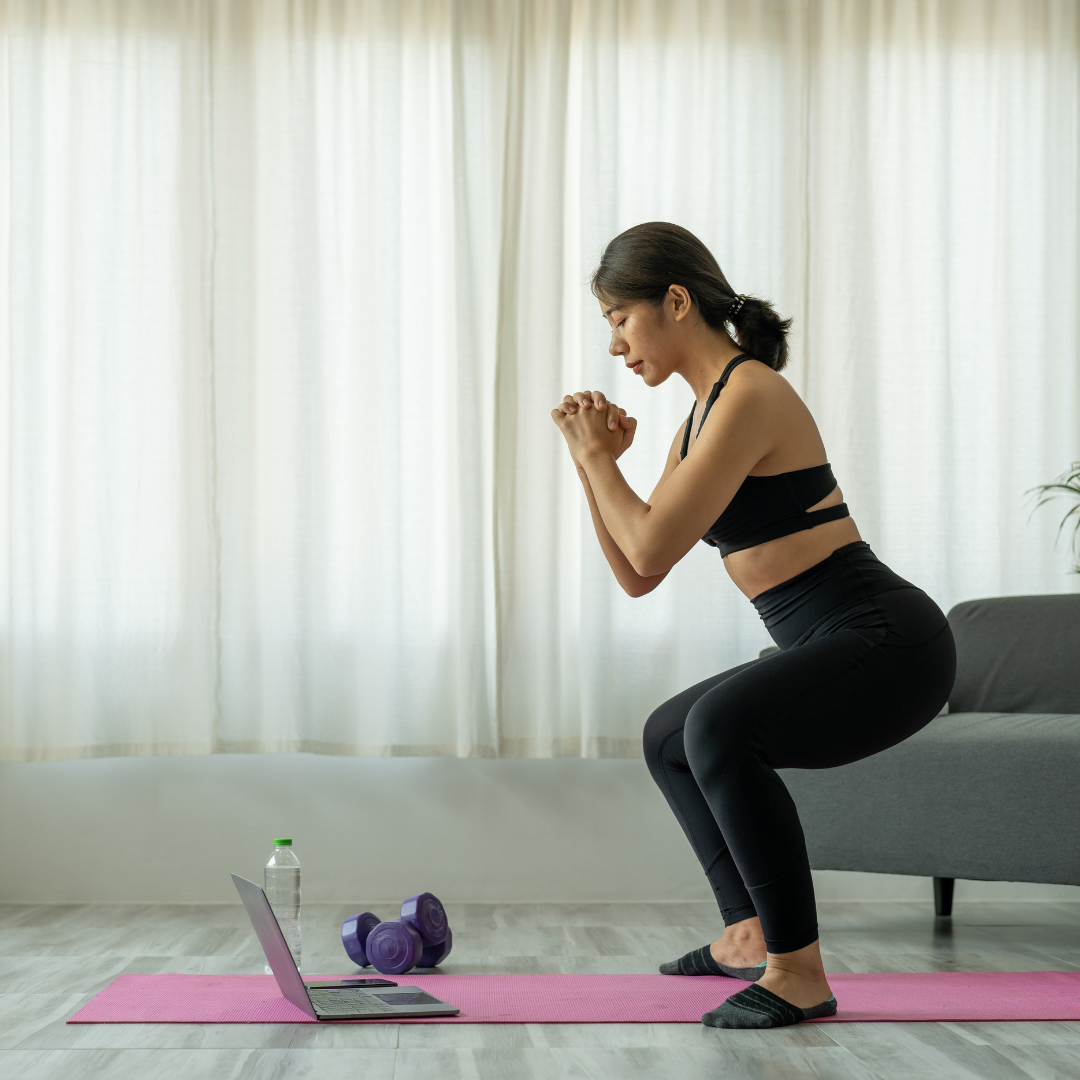
Effective exercises for a full-body workout at home can transform any fitness routine without the need for a gym. Many people seek efficient and accessible ways to achieve their fitness goals, making home workouts increasingly popular. Incorporating a variety of bodyweight exercises, resistance bands, and simple equipment can provide the comprehensive workout needed to engage all major muscle groups.
Full-body workouts are not just time-efficient; they can also improve overall strength, endurance, and flexibility. With the proper selection of exercises, anyone can create a balanced routine that challenges the body and promotes muscle growth. Exercises like push-ups, squats, and planks can be easily modified to suit different fitness levels, ensuring a beneficial workout for everyone.
Maintaining motivation while working out at home can be challenging, yet an engaging routine keeps individuals on track. By mixing different exercises, they can avoid monotony and stay focused on their fitness goals. Achieving a full-body workout from the comfort of home is entirely feasible and can lead to significant health benefits.
Key Principles of Effective Full-Body Home Workouts
Effective full-body home workouts require a blend of structured exercises, appropriate workout types, and a focus on progression. Understanding these principles can significantly enhance strength and endurance outcomes.
Understanding Full-Body Training
Full-body training involves engaging multiple muscle groups in a single session. This type of workout increases calorie burn and promotes balanced development.
Key benefits include:
- Improved Strength: Incorporating compound movements, such as squats and push-ups, targets multiple muscles.
- Time Efficiency: Working all major muscle groups saves time, making it easier to fit into a busy schedule.
- Increased Flexibility: Diverse exercise routines improve flexibility by promoting active movement in various planes.
Maintaining proper form and technique is essential to prevent injury and maximise effectiveness during these workouts.
Workout Types and Structures
Different workout types can be employed to target overall fitness. Common structures include circuit training, interval training, and high-intensity interval training (HIIT).
- Circuit Training: This involves performing a series of exercises back-to-back with minimal rest, enhancing endurance and strength.
- Interval Training: Alternating between high-intensity and moderate activities boosts metabolism and cardiovascular capacity.
- HIIT: This method combines short bursts of intense exercise followed by rest, efficiently improving fitness levels in a short duration.
Incorporating varied structures adds excitement and prevents workout monotony, sustaining motivation.
Optimising Exercise Sets and Progression
To maximise benefits, it is crucial to optimise exercise sets and monitor progression. Key strategies include:
- Repetitions: Aim for 8-12 reps for strength gains, while 15-20 reps can enhance endurance.
- Sets: Typically, 2-4 sets per exercise can provide an effective workout volume.
- Progression: Increase intensity by adding resistance, altering tempo, or increasing repetitions as strength improves.
Regularly assessing performance and adjusting exercise variables ensures continuous improvement in strength and endurance.
Essential Bodyweight Exercises for Strength and Endurance
Bodyweight exercises are an effective way to enhance both strength and endurance without the need for equipment. Key movements like squats, push-ups, and planks target various muscle groups, promoting overall fitness.
Squats for Lower Body Power
Squats are a fundamental exercise that targets the thighs, hips, and glutes. They build lower body strength and power, essential for various activities.
To perform a squat:
- Stand with feet shoulder-width apart.
- Lower the body by bending at the knees and pushing the hips back as if sitting in a chair.
- Keep the chest upright and ensure the knees do not extend beyond the toes.
For enhanced difficulty, variations such as jump squats or pistol squats can be incorporated. Regular practice improves muscle tone and endurance while boosting functional strength for daily tasks.
Push-Ups for Upper Body Strength
Push-ups are an excellent bodyweight exercise for developing upper-body strength. They primarily target the chest, shoulders, and triceps, making them effective for building muscle endurance.
To perform a push-up:
- Start in a plank position with hands slightly wider than shoulder-width apart.
- Lower the body towards the ground while keeping the core engaged.
- Push back up to the starting position, maintaining a straight line from head to heels.
Variations include incline push-ups for beginners or diamond push-ups for increased tricep activation. Incorporating a range of push-up styles can further enhance upper body strength and stamina.
Planks for Core Stability
Planks are essential for core stability, strengthening the abdominals, lower back, and shoulders. A strong core is vital for overall fitness and helps in maintaining proper posture during other exercises.
To perform a plank:
- Assume a forearm plank position with elbows below shoulders and toes grounded.
- Keep the body in a straight line from head to heels.
- Maintain the position for as long as possible while focusing on engaging the core.
Variations, such as side planks or plank jacks, can be introduced to increase intensity. Regularly practising planks enhances core endurance, necessary for athletic performance and daily movement.
Dynamic Movements for Total Body Conditioning
Dynamic movements engage multiple muscle groups, promoting cardiovascular fitness and strength simultaneously. Incorporating diverse exercises keeps routines challenging and effective.
Integrating Burpees for Cardio and Strength
Burpees are an excellent full-body exercise that combines strength training with a cardiovascular component. To perform a burpee:
- Start in a standing position.
- Drop into a squat, placing hands on the ground.
- Jump back into a plank position.
- Perform a push-up (optional for beginners).
- Jump feet back to the squat position.
- Explode upwards into a jump.
This exercise targets the arms, chest, legs, and core while elevating the heart rate considerably. Including burpees in a workout routine enhances endurance and builds functional strength.
Dips for Upper Body and Core
Dips are particularly effective for developing the upper body, focusing on the triceps, shoulders, and chest. To execute dips:
- Use parallel bars or the edge of a sturdy bench.
- Place hands shoulder-width apart, fingers facing forward.
- Lower the body by bending the elbows to about 90 degrees.
- Push back up to the starting position.
To engage the core, keep the body straight and avoid leaning too far forward. Dips can be modified for intensity, making them suitable for various fitness levels.
Workout Circuit Examples
Incorporating dynamic movements into a workout circuit maximises efficiency. A sample circuit might include:
- 5 Burpees
- 10 Dips
- 15 Bodyweight Squats
- 20 Mountain Climbers
Repeat the circuit 3-4 times with a 1-minute rest between sets. This approach allows for a balanced workout, engaging major muscle groups while promoting fat loss and muscular endurance. Variations can be added to keep the routine fresh and challenging.
Optimising Recovery and Supporting Overall Health
Effective recovery is crucial for maximising the benefits of a full-body workout. It aids in muscle repair, enhances flexibility, and promotes cardiovascular health. Implementing structured recovery practices can lead to improved overall fitness outcomes.
Importance of Cool Down Routines
A proper cool-down routine is essential after any workout. It allows the heart rate to gradually return to its resting state, reducing the risk of dizziness or fainting. Cooling down typically involves light aerobic activity and static stretching of major muscle groups.
This process helps flush out lactic acid and other metabolic waste products, aiding muscle recovery. Engaging in a cool down can also facilitate relaxation, promoting better sleep patterns. Aim for at least 5-10 minutes for an effective cool down.
Enhancing Flexibility and Mobility
Flexibility plays a vital role in overall fitness and injury prevention. Incorporating stretches into a cool-down routine can enhance muscle elasticity and joint range of motion. Targeting major muscle groups, such as the hamstrings, quadriceps, and shoulders, is beneficial.
Dynamic stretching before a workout can prepare muscles for exertion, while static stretching post-workout can help relieve tension. Regular flexibility training promotes better posture and aids in daily activities, contributing to an improved quality of life.
Supporting Cardiovascular and Vascular Health
Cardiovascular health is integral to overall fitness and longevity. Engaging in regular aerobic exercise strengthens the heart, improving its efficiency in pumping blood. This, in turn, enhances vascular health, ensuring proper blood flow to the muscles.
Aerobic activities, such as brisk walking, cycling, or swimming, support the cardiovascular system by increasing endurance and reducing the risk of heart disease. Including short bursts of high-intensity exercise can further benefit cardiovascular health by improving metabolic function and promoting fat loss.