Category: Exercise

  • The Connection Between Physical Activity and Mood: Understanding the Mental Health Benefits

    The Connection Between Physical Activity and Mood: Understanding the Mental Health Benefits

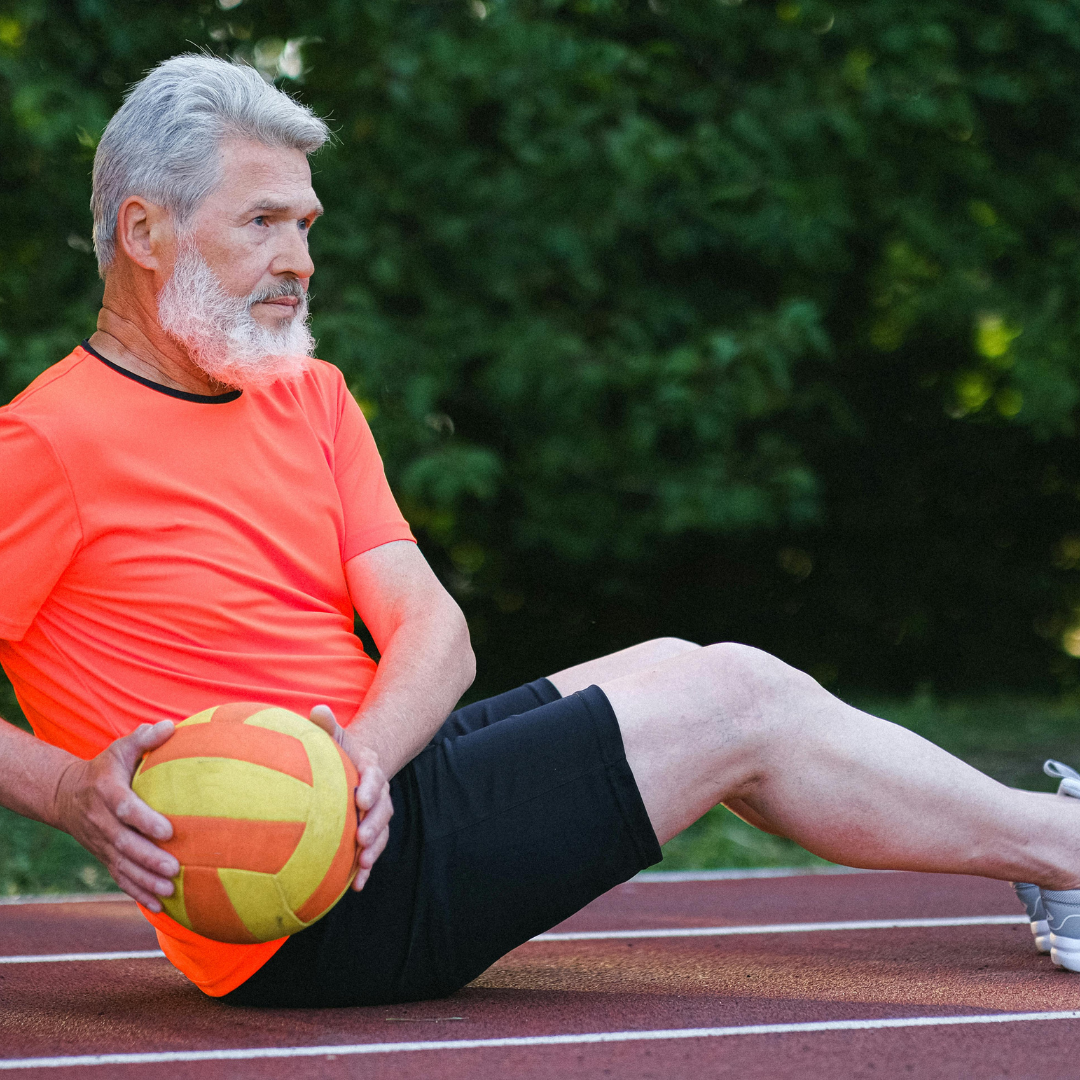
    Physical activity has a direct influence on mood through physiological and psychological mechanisms. Exercise triggers the release of chemicals in the brain, such as endorphins and serotonin, which help improve mood and reduce feelings of stress or anxiety. This connection means that regular movement can play a key role in managing emotional well-being.

    Research supports the idea that even moderate physical activity contributes to better mental health. People who engage in consistent exercise often report feeling more energised and less prone to negative emotions. Understanding this link presents valuable opportunities for improving daily life.

    How Physical Activity Impacts Mood

    Physical activity influences mood through various biological and psychological mechanisms. It affects brain chemistry, hormone levels, and the body’s stress response, which all contribute to emotional well-being. Additionally, exercise can improve sleep quality, further supporting mental health.

    Immediate Mood Enhancement Through Exercise

    Exercise often produces a quick improvement in mood, visible within minutes to hours after activity. This immediate effect is linked to increased blood flow and activation of brain regions associated with pleasure and reward.

    During physical activity, the body releases neurotransmitters that promote positive feelings. For example, dopamine and serotonin levels rise, generating a natural mood boost. This response can lessen feelings of anxiety and promote calmness.

    Light to moderate exercise, such as walking or cycling, can provide these benefits without the need for intense effort. The quick mood enhancement helps motivate continued physical activity and supports mental resilience against daily stressors.

    The Role of Endorphins and Neurotransmitters

    Endorphins, often called the body’s natural painkillers, are released during exercise and contribute to the sensation known as the runner’s high. These chemicals reduce pain sensation and generate feelings of euphoria or relaxation.

    Other neurotransmitters like serotonin and norepinephrine also increase. Serotonin regulates mood and sleep, while norepinephrine improves attention and energy. Together, they enhance emotional health and cognitive function.

    The balance and interaction of these chemicals support sustained mental health benefits rather than only short-term mood boosts. Regular exercise can promote stable, positive feelings through repeated hormonal and neurotransmitter responses.

    Reducing Stress, Anxiety, and Depression

    Exercise helps lower the levels of stress hormones such as cortisol and adrenaline in the body. By moderating these hormones, physical activity reduces physiological stress responses, decreasing anxiety symptoms and improving emotional regulation.

    Physical activity also supports neuroplasticity, which helps the brain adapt and recover from depressive states. Studies show that consistent exercise can reduce symptoms of mild to moderate depression comparable to some medications and therapies.

    Incorporating regular exercise into daily routines can improve emotional well-being by breaking the cycle of stress and negative mood, promoting long-term mental health benefits.

    Physical Activity and Sleep Quality

    Sleep quality directly affects mood and overall mental health. Regular physical activity has been shown to increase total sleep time and improve the quality of deep sleep phases, essential for emotional recovery.

    Better sleep from exercise helps regulate neurotransmitters like serotonin, which influences mood, and reduces levels of stress hormones that disrupt restful sleep. This combination results in improved emotional well-being.

    Exercise timing matters; however, moderate activity performed earlier in the day tends to promote more consistent sleep patterns and fewer disruptions, contributing to sustained mental health benefits.

    The Science Behind Mood and Movement

    Physical activity influences mood through complex biological processes involving brain chemistry, inflammation, and emotional control. These mechanisms work together to improve mental clarity, cognitive function, and stress management.

    Neurotransmitters and Hormonal Responses

    Exercise stimulates the production of key neurotransmitters like serotonin, dopamine, and norepinephrine. Serotonin stabilises mood and promotes feelings of well-being. Dopamine influences motivation and reward, which can increase pleasure and satisfaction during and after exercise.

    Norepinephrine helps regulate attention and arousal, contributing to improved focus. Physical activity also raises endorphin levels, which act as natural painkillers and mood enhancers. This biochemical response supports mood regulation and reduces symptoms of depression and anxiety.

    Reducing Inflammation and Supporting Brain Health

    Regular exercise decreases chronic inflammation by lowering inflammatory markers linked to mental fatigue and cognitive decline. Reduced inflammation helps maintain neuron health and supports brain plasticity, which is crucial for learning and memory.

    Activity also boosts blood flow to the brain, supplying it with oxygen and glucose essential for optimal function. This promotes mental clarity and sustains cognitive function over time. Enhanced brain health from physical activity may protect against neurodegenerative conditions.

    Building Emotional Resilience and Mental Toughness

    Engaging in consistent physical activity enhances emotional resilience by strengthening neural circuits involved in stress regulation. This leads to improved mental toughness, allowing individuals to better handle psychological challenges.

    Exercise fosters adaptive coping strategies by triggering the release of stress-relieving neurotransmitters and hormones. It counters mental fatigue and supports sustained motivation. Over time, these effects contribute to increased resistance against emotional setbacks and improved overall mood stability.

    Types of Physical Activity That Support Mental Well-Being

    Different forms of physical activity contribute uniquely to mood improvement and mental health. Some focus on cardiovascular benefits, others combine movement with mindfulness, and some build physical strength, which can enhance self-esteem.

    Aerobic Exercise for Mood Enhancement

    Aerobic activities such as running, cycling, swimming, and jogging increase heart rate and improve cardiovascular health. These workouts stimulate the release of endorphins, commonly known as “feel-good” hormones, which reduce stress and anxiety.

    Regular aerobic exercise also boosts brain function by increasing blood flow and oxygen delivery to the brain. This can improve concentration and alleviate symptoms of depression over time. Incorporating activities like dance or a consistent cardio workout routine can help maintain mental clarity and resilience.

    Mind-Body Practices: Yoga, Pilates, and Meditation

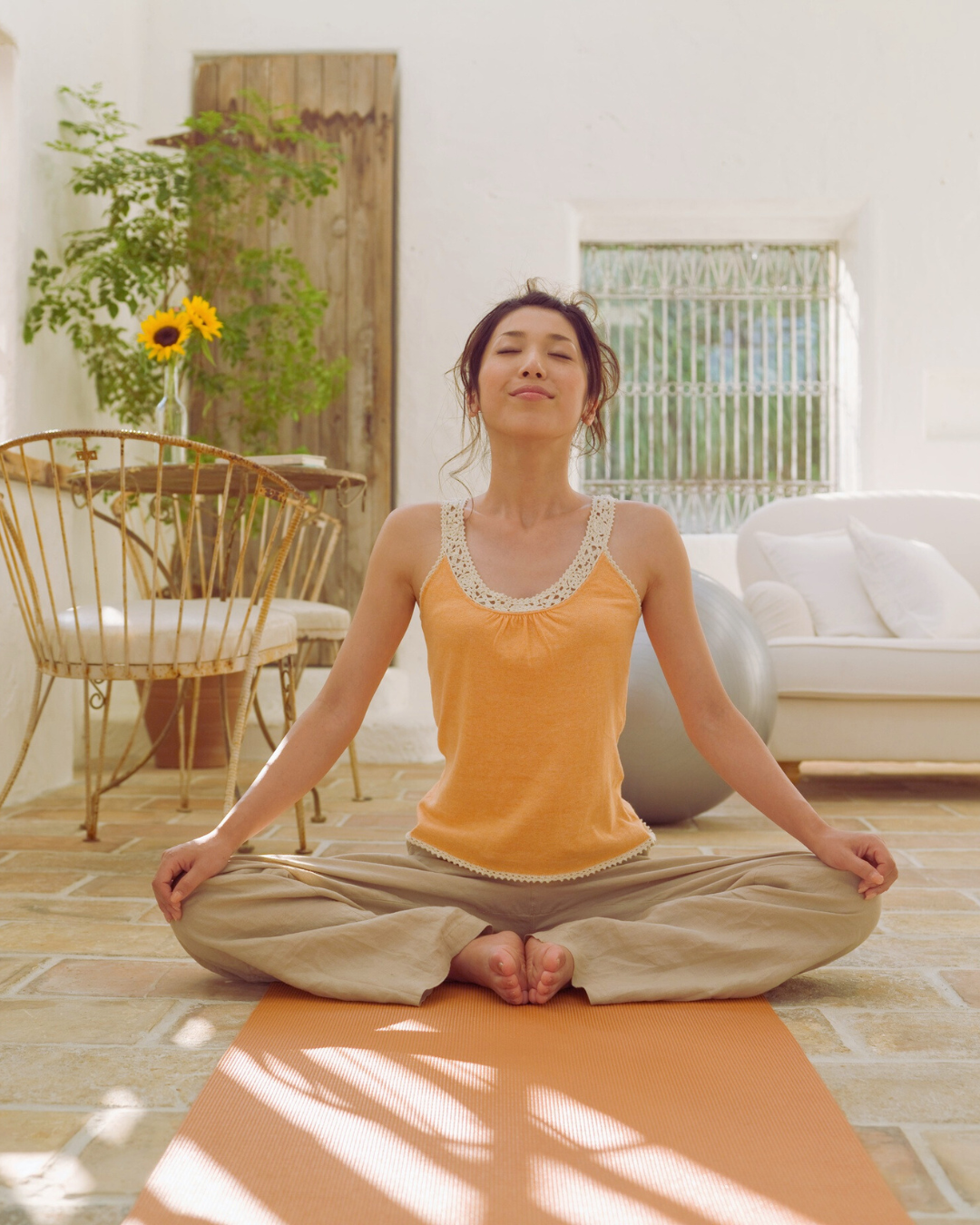
    Yoga, Pilates, and meditation combine physical movement with mindfulness and controlled breathing. These practices enhance relaxation and reduce cortisol levels, lowering stress and anxiety.

    Yoga and Pilates improve flexibility and muscle tone while encouraging focus on body awareness. Meditation, often integrated into these workouts, helps regulate emotions and improve mood stability. Practising these regularly can create mental calmness alongside physical benefits.

    Strength Training and Confidence Building

    Strength training using weights or body resistance improves muscle mass and physical fitness goals. It promotes the release of neurotransmitters like dopamine, which supports motivation and a positive mood.

    Beyond physical benefits, strength training can boost self-confidence and resilience against anxiety. It offers a sense of achievement and control, which is valuable for mental well-being. Consistent sessions can complement aerobic and mind-body exercises within a balanced routine.

    Outdoor Activities for Emotional Well-Being

    Activities like gardening, hiking, and outdoor cycling provide physical exercise combined with exposure to nature. Getting sunlight increases vitamin D levels, which is linked to improved mood and neurochemical balance.

    Being outdoors also encourages mindfulness and reduces feelings of stress. Nature combined with physical movement offers relaxation and a break from daily routines. These activities contribute significantly to emotional health and should be part of diverse exercise regimens.

    Practical Strategies for Harnessing the Mood Benefits of Physical Activity

    Building a positive mood through exercise depends on forming good habits, maintaining motivation, involving others, and making the experience enjoyable. Practical steps target these areas to improve mental well-being and self-confidence.

    Creating a Sustainable Exercise Routine

    A consistent routine is crucial for long-term mood improvements. It should include realistic activities based on fitness level and personal preferences. Starting small, such as 15 minutes of walking daily, helps avoid burnout and builds confidence.

    Scheduling exercise at fixed times each day fosters habit formation. Variety prevents boredom, so mixing cardio, strength training, and flexibility exercises supports mental toughness and sustained interest. Tracking progress with simple tools increases the sense of accomplishment.

    Adjusting routines to fit changing needs, health status, or mood fluctuations makes it easier to maintain exercise without pressure. Sustainability requires recognising limits and prioritising enjoyment over intensity.

    Staying Motivated and Setting Realistic Goals

    Motivation often hinges on clear, achievable goals linked to mood or well-being improvements. Goals could include increasing exercise frequency or improving stamina within weeks. Setting short-term targets boosts self-esteem by showing measurable progress.

    Breaking larger goals into smaller steps helps avoid overwhelm. Rewarding achievements reinforces motivation and builds confidence. For example, celebrating a week of consistent exercise with a relaxing activity.

    Mental health disorders can reduce motivation; therefore, gentle encouragement and patience are essential. Using reminders and social support keeps motivation steady during low-mood periods.

    The Role of Social Interaction in Exercise

    Social interaction during exercise supports mood through connection, accountability, and shared enjoyment. Participating in team sports or group classes fosters belonging and combats loneliness.

    Exercising with others encourages regular attendance and creates positive reinforcement. Social settings improve confidence by providing encouragement and constructive feedback.

    For those with mental health disorders, group activities offer supportive environments that promote well-being without pressure. Even casual exercise with friends or family enhances motivation and mood.

    Integrating Mindfulness and Enjoyment

    Combining mindfulness with physical activity sharpens awareness of bodily sensations and mood changes. Activities like yoga or tai chi promote relaxation and reduce stress, enhancing mental toughness.

    Choosing enjoyable exercises increases intrinsic motivation. Enjoyment improves the likelihood of continued participation, positively impacting mood and confidence.

    Focusing on present-moment feelings during movement also helps regulate emotions and fosters a stronger mind-body connection, supporting overall mental health.


  • Creating a Wellness Space at Home for Optimal Relaxation and Productivity

    Creating a Wellness Space at Home for Optimal Relaxation and Productivity

    Creating a wellness space at home can significantly improve mental clarity and reduce stress. A dedicated area designed for relaxation, mindfulness, and self-care helps individuals cultivate a healthier daily routine and enhances overall well-being. Such a space does not require much room or investment but must be thoughtfully arranged to meet personal needs.

    They can include elements like natural light, comfortable seating, calming colours, and minimal distractions. Adding plants or soothing scents also contributes to a peaceful atmosphere. These choices enable anyone to step away from daily pressures and focus on mental and physical health within their own home.

    Foundations of a Home Wellness Space

    Creating a dedicated area for wellness at home requires clear priorities around purpose, setting, and balance. Each element plays a role in shaping a space that supports well-being and encourages consistent use.

    Defining Your Wellness Goals

    The first step involves identifying specific wellness goals. He or she should ask whether the space is for relaxation, meditation, exercise, or a combination. Clear goals guide design choices, furniture, and equipment.

    Wellness goals might include reducing stress, improving flexibility, or enhancing mental clarity. Defining these helps in selecting appropriate tools like yoga mats, soft lighting, or sound systems. Goals should be realistic and adaptable as needs evolve.

    Writing down objectives creates a tangible reference to return to during the process. This clarity helps avoid clutter and ensures the wellness room remains purposeful rather than decorative.

    Choosing the Right Location

    Location significantly impacts a wellness space’s effectiveness. Ideally, it should be quiet, private, and free from heavy foot traffic to support focus and relaxation.

    Natural light is beneficial and can boost mood and energy levels. However, the space should also allow control over illumination with blinds or curtains. Ventilation is essential to maintain fresh air and comfort.

    The size of the area must align with the intended activities. A small corner may work for meditation, while a larger room is necessary for stretching or exercise. Accessibility also matters; the wellness zone should be easy to enter and exit without disruption.

    Balancing Intention, Function, and Space

    A home wellness room must balance intention, functionality, and available space. The design should reflect the user’s wellness priorities without sacrificing usability.

    Intention drives which elements are essential, such as plants for a calming effect or shelves for storage. Function prevents overcrowding, so each item serves a purpose related to well-being.

    Space constraints require thoughtful organisation. Multi-use furniture or wall-mounted accessories can optimise the area. Maintaining clear floor space supports movement and reduces distractions.

    By integrating intention and function within the physical space, the wellness room fosters a consistent, positive environment for well-being.

    Essential Elements and Design Features

    A wellness space benefits from intentional choices in colour, materials, lighting, air quality, and storage. Each aspect contributes to a calm, organised environment that supports relaxation and wellbeing.

    Calming Colours and Materials

    Calming colours like soft greens, muted blues, and gentle greys create a peaceful atmosphere. These shades reduce stress and promote mental clarity.

    Natural materials enhance this effect. Wood, cotton, linen, and wool add tactile warmth and subtle texture. Rubber flooring can be a practical option, offering comfort and soundproofing, which helps maintain tranquillity.

    Avoid bright, harsh colours that may overstimulate. Instead, choose matte or soft finishes to reduce glare and visual noise.

    Optimising Natural Light and Lighting Solutions

    Natural light is vital for mood and energy. Position the wellness space near windows to maximise daylight. Use light, sheer curtains to soften incoming light without blocking it.

    In darker areas or evening hours, layered lighting helps. Combine dimmable overhead lights with warm-toned lamps for flexibility. Avoid cool, blue-tinted bulbs as they can disrupt relaxation.

    Consider soundproofing elements to reduce external noise. This supports the calm environment by maintaining quietness.

    Air Quality and Natural Elements

    Clean air enhances comfort and focus. An air purifier can reduce dust and allergens, improving breathing quality in the space.

    Incorporate air-purifying plants such as peace lilies and snake plants. These plants absorb toxins and add a natural, soothing presence.

    Ventilation is important too. If possible, open windows regularly or use fans to circulate fresh air.

    Storage Solutions for a Clutter-Free Space

    Clutter disrupts calm. Effective storage helps maintain order and visual simplicity.

    Storage ottomans provide dual function—seating and hidden space for items like cushions or yoga mats. Shelving with baskets keeps smaller objects organised but accessible.

    Built-in cupboards or minimalist cabinets reduce visual distraction. Choosing storage with clean lines and natural finishes complements the design without overwhelming it.

    Creating Dedicated Wellness Zones

    A functional wellness area relies on distinct zones tailored to specific activities. Each zone should have purpose-driven elements that maximise comfort and promote effective practice.

    Meditation and Mindfulness Areas

    A designated meditation space should be quiet and free from distractions. It often includes a comfortable seat, cushion, or mat placed in a calm corner or separate room. Soft lighting and neutral colours enhance relaxation.

    Incorporating a white noise machine or sound system playing calming music supports concentration. Adding simple décor like plants or minimalist art can deepen mindfulness practice.

    Essential oil diffusers work well here, releasing calming scents such as lavender or chamomile. This helps establish a sensory environment conducive to meditation or mindfulness exercises.

    Yoga and Stretching Corners

    A yoga corner needs enough open floor space to accommodate a yoga mat and movement. Good ventilation and natural light improve the experience.

    Essential accessories include blocks, straps, and resistance bands to aid flexibility and strength. A mat with a good grip ensures safety during poses.

    Installing a small shelf for free weights and other tools allows for integrated stretching and light strength training. Soft, calming colours help maintain focus.

    Aromatherapy and Sensory Spaces

    Aromatherapy zones centre on diffusing essential oils to create a soothing atmosphere. These zones require minimal furniture and can be set up with a variety of essential oil diffusers.

    Choosing oils like eucalyptus, peppermint, or sandalwood serves different purposes, such as relaxation, invigoration, or focus.

    Lighting should be adjustable to complement sensory stimuli. Incorporating tactile elements, for example, soft cushions or textured fabrics, enhances the multisensory effect.

    Fitness and Movement Zones

    A home gym area needs durable flooring suitable for exercise. Space should allow for a range of activities like cardio, strength training, and stretching.

    Essential equipment includes free weights, resistance bands, and a yoga mat. A sound system can provide motivating music or workouts.

    Mirrors help monitor form and posture. Clear organisation and storage solutions ensure the space remains inviting and safe.

    Enhancing Relaxation and Well-Being

    A well-designed home wellness space supports relaxation, stress reduction, and physical comfort. Selecting features that promote detoxification, soothe the senses, and improve mood contribute to a balanced environment.

    Spa-Inspired Features and Home Saunas

    Integrating a home sauna, especially an infrared sauna, enhances detoxification by increasing circulation and promoting sweat-based cleansing. Infrared saunas use light to heat the body directly, offering gentle warmth that can be tolerated longer than traditional saunas.

    Including elements like a massage chair can simulate spa treatments, relieving muscle tension and improving circulation. Pairing this with soft, natural materials and comfortable seating creates an inviting home spa experience.

    Consider adjustable lighting and aromatherapy diffusers to complete the sensory environment, supporting a deeper sense of calm and renewal.

    Water Features and Relaxing Fountains

    Water features add a natural element that encourages mindfulness and relaxation through gentle, consistent sounds. Small water fountains or indoor water features work well in limited spaces, producing white noise that masks distracting sounds.

    The motion of flowing water can lower stress by engaging the visual and auditory senses. Regular maintenance is necessary to prevent algae and noise disruptions, ensuring a tranquil atmosphere.

    Positioning water features near seating or relaxation zones helps create a soothing focal point that complements other wellness elements.

    Incorporating Light Therapy and Himalayan Salt Lamps

    Light therapy lamps are effective for combating seasonal mood changes and enhancing energy levels by delivering specific wavelengths of light. Using these lamps in the morning can help regulate circadian rhythms and improve alertness.

    Himalayan salt lamps contribute a softer, warm glow that many find calming. Although scientific support is limited, they may reduce airborne irritants and enhance the ambience in relaxation areas.

    Combining light therapy with dimmable options allows for tailored lighting suited to the time of day and personal preference, supporting both vitality and rest.

    Music and Sound for Stress Reduction

    Calming music plays a crucial role in reducing stress and promoting mental clarity in a wellness space. Using speakers or specialised sound systems, one can play nature sounds, ambient tones, or gentle instrumental music.

    Sound choices should be low volume and consistent to avoid stimulation that interrupts relaxation. Integrating sound with other elements like water features or a massage chair increases the overall effectiveness of the environment.

    Consider curated playlists or apps designed for meditation and stress relief, ensuring control over content and duration.


  • The Power of Daily Choices in Long-Term Wellbeing: How Small Actions Shape Lasting Health

    The Power of Daily Choices in Long-Term Wellbeing: How Small Actions Shape Lasting Health

    Daily choices shape long-term wellbeing more than occasional big decisions. Small habits, like managing stress, staying active, and eating mindfully, accumulate over time. Consistently making positive daily choices leads to sustainable health and resilience.

    People often underestimate the impact of everyday actions because the results are gradual. However, these choices build a foundation for mental clarity, physical strength, and emotional balance. Recognising the power in routine empowers individuals to take control of their future wellbeing.

    Understanding this connection encourages a shift from seeking quick fixes to embracing lasting lifestyle changes. This approach makes wellbeing an achievable, ongoing process rather than a distant goal.

    The Cumulative Impact of Daily Choices

    Small, consistent actions taken every day create the foundation for long-term wellbeing. These daily habits build momentum, guiding behaviour towards sustained health and life goals without relying on sudden, intense efforts.

    How Small Habits Shape Long-Term Wellbeing

    Small daily habits, such as drinking water regularly or taking brief walks, contribute significantly to long-term health. Each action alone may seem minor, but when repeated over weeks and months, they influence overall physical and mental well-being.

    For example, choosing to sleep 15 minutes earlier consistently improves cognitive function and mood. Such choices directly affect energy levels, immune response, and stress management. Over time, these habits create a positive feedback loop that supports sustained wellbeing.

    The Habit Loop: Cue, Routine, Reward

    Habits form through a loop consisting of three parts: cue, routine, and reward. A cue triggers the behaviour, the routine is the action itself, and the reward reinforces the habit by creating pleasure or relief.

    Understanding this loop helps people create new routines or alter existing ones in their daily routines. For example:

    Cue Routine Reward
    Seeing running shoes Going for a jog Feeling accomplished

    This cycle strengthens the behaviour, making it easier to maintain consistent habits aligned with long-term goals.

    Consistency Versus Intensity in Healthy Habits

    Consistency in daily habits often outweighs intensity when it comes to lasting well-being. Regular moderate exercise, balanced meals, or mindfulness practices prove more sustainable than occasional intense sessions.

    This steady approach reduces burnout, injury, and discouragement. It also aligns better with natural daily rhythms, making habits easier to maintain without excessive force.

    For long-term goals, a focus on small but consistent improvements builds durable habits that support sustained health outcomes over time.

    Core Lifestyle Choices for Health and Well-Being

    Daily decisions shape energy levels, physical health, and mental clarity. Small but consistent habits in nutrition, movement, sleep, and mindfulness build a foundation for lasting wellbeing.

    Nutrition and Hydration for Long-Term Wellness

    Proper nutrition fuels the body and supports brain function. Prioritising whole foods—such as vegetables, fruits, lean proteins, and whole grains—provides essential vitamins and minerals necessary for sustained energy.

    Hydration plays a vital role. Drinking at least 1.5 to 2 litres of water daily maintains bodily functions and promotes concentration. Avoiding excessive sugary drinks reduces the risk of chronic conditions.

    Balanced meals spaced evenly during the day help maintain blood sugar levels and prevent energy dips. Incorporating healthy fats like omega-3 aids in brain health and inflammation control.

    Physical Activity and Regular Movement

    Regular physical activity improves cardiovascular health, strengthens muscles, and boosts mood. Engaging in at least 150 minutes of moderate exercise weekly, such as brisk walking or cycling, supports long-term well-being.

    Short walks throughout the day reduce sedentary time, which can negatively impact metabolism and focus. Incorporating muscle-strengthening activities twice a week enhances physical resilience.

    Consistency matters more than intensity; daily movement, even brief, enhances energy and mental clarity. Activities like stretching or light aerobic exercise contribute to better overall health.

    The Role of Quality Sleep and a Bedtime Routine

    Quality sleep is critical for recovery and cognitive function. Adults typically require 7 to 9 hours of uninterrupted sleep each night to maintain mental clarity and physical health.

    A structured bedtime routine supports falling asleep faster and improves sleep quality. This may include reducing screen exposure an hour before bed, dimming lights, and practising relaxation techniques.

    Maintaining a consistent sleep schedule aligns the body’s internal clock, which enhances energy levels throughout the day. Avoiding caffeine late in the day can reduce sleep disturbances.

    Mindfulness, Meditation, and Focus

    Mindfulness and meditation improve mental clarity and reduce stress. Regular practice, even for 5-10 minutes daily, can increase focus and emotional regulation.

    Mindfulness helps individuals stay present, reducing the impact of distracting thoughts on productivity. Techniques like deep breathing or guided meditation build resilience against stress.

    Developing focus through meditation supports better decision-making and improves overall mental health. It also complements physical health by lowering blood pressure and enhancing sleep quality.

    Building Motivation, Accountability, and Sustainable Routines

    Creating lasting change depends on concrete steps to measure progress, staying connected with support networks, and choosing habits that fit long-term life goals. Motivation grows from tracking efforts, sharing goals with others, and balancing enthusiasm with manageable practices.

    Tracking Progress and Adjusting Habits

    Regularly monitoring behaviours helps identify what works and what needs adjustment. Tools like journals, apps, or simple checklists record daily actions such as reading, exercise, or healthy eating. Reviewing these records weekly allows for recognising patterns and making small habit changes.

    Tracking progress increases motivation by showing tangible results. When setbacks occur, it encourages reflection rather than discouragement. Adjusting habits based on data ensures routines remain effective and relevant to personal growth and wellbeing.

    Accountability and Support Systems

    Accountability enhances consistency in maintaining a healthy lifestyle. Sharing goals with friends, mentors, or joining groups creates external motivation and reliable encouragement. Having a support system holds individuals responsible and provides advice during challenges.

    Methods include partner check-ins, online forums, or coaching sessions. These systems promote long-term success by keeping the individual engaged and less likely to abandon healthy habits. Regular communication strengthens commitment and fosters a sense of community around shared goals.

    Balancing Motivation with Sustainable Lifestyle Choices

    Motivation can fluctuate, so selecting sustainable routines is essential for enduring change. It requires choosing habits that align with daily schedules, energy levels, and personal interests. For example, reading for personal growth twenty minutes daily is more sustainable than sporadic, intense sessions.

    Avoiding burnout means pacing progress and integrating rest periods. Sustainable choices promote consistency, reduce stress, and preserve enthusiasm over months and years. This approach supports building a healthy lifestyle that adapts to evolving needs without sacrificing long-term wellbeing.

    Daily Choices for Mental Health, Happiness, and Longevity

    Small, deliberate actions influence overall well-being significantly. Prioritising routines that support mental health, foster positive emotions, and encourage longevity can have lasting effects.

    Daily Habits Supporting Mental Health

    Regular practices such as reading and mindfulness promote cognitive clarity and reduce stress. Setting aside time to read daily, even for 15 minutes, enhances brain function and emotional resilience.

    Consistent sleep patterns also stabilise mood and improve focus. Avoiding excessive screen time before bed supports better sleep quality, aiding mental health.

    Physical activity, including walking or stretching, releases endorphins that ease anxiety and depression symptoms. Hydration and balanced nutrition frame these habits, creating a stable foundation for mental wellness.

    Fostering Happiness and Positive Emotion

    Expressing gratitude daily helps reframe perspectives towards positive experiences. Keeping a gratitude journal or simply acknowledging small achievements can increase happiness.

    Social connection is crucial. Spending time with friends or family, even briefly, strengthens emotional bonds and reduces feelings of loneliness.

    Engaging in activities that bring joy or flow states—such as hobbies or creative work—raises dopamine levels, encouraging a sustained sense of contentment. Consistent positive engagement nurtures happiness.

    Promoting Longevity Through Consistent Practices

    Longevity correlates strongly with sustained healthy choices. Physical exercise, even moderate intensity like brisk walking, reduces the risk of chronic diseases.

    A diet rich in fruits, vegetables, and whole grains supports cardiovascular health and cognitive function. Avoiding processed foods and excessive sugar minimises inflammation.

    Regular health check-ups and stress management techniques are vital. People who maintain these routines tend to experience better health outcomes and increased lifespan.


  • The Importance of Warming Up Before Exercise: Enhancing Performance and Preventing Injury

    The Importance of Warming Up Before Exercise: Enhancing Performance and Preventing Injury

    Warming up before exercise is crucial for preparing the body for physical activity. It increases blood flow to the muscles, enhances flexibility, and reduces the risk of injury. Without an effective warm-up, the body’s performance may be compromised, leading to setbacks in fitness goals.

    Many individuals underestimate the significance of this preparatory phase. A proper warm-up can be the difference between a successful workout and an injury that sidetracks progress. Understanding the mechanics behind warming up allows individuals to train smarter, not harder.

    Meanwhile, it is to be noted that persistent soreness, joint instability, or recurring pain after exercise should never be ignored, especially when it begins to interfere with daily movement or athletic performance. For such concerns, it can be beneficial to consult a jacksonville fl orthopedic surgeon (or elsewhere) who can evaluate underlying musculoskeletal issues and recommend appropriate treatment or recovery strategies.

    Incorporating a warm-up routine into any fitness plan is essential for all levels of athletes. By dedicating a few minutes to this practice, they can optimise their performance and longevity in their chosen activities.

    Why Warming Up Before Exercise Is Essential

    Warming up plays a pivotal role in preparing the body for physical activity. It effectively engages the muscles and joints, raises body temperature, and enhances circulation, ensuring optimal performance and reducing the risk of injury.

    Preparing Muscles and Joints

    A comprehensive warm-up routine activates the muscles and joints, making them more pliable. This preparation reduces stiffness, allowing for a greater range of motion. Dynamic stretches such as arm circles and leg swings are effective in mobilising joints.

    By gradually engaging these areas, one can minimise the risk of strains and sprains during subsequent exercise. Warming up also prepares the neuromuscular system for the demands of physical activity, improving coordination and reaction times.

    Raising Body Temperature and Heart Rate

    Warming up gradually raises body temperature and heart rate, which is crucial for exercise readiness. An elevated body temperature enhances muscle elasticity, making contractions more efficient.

    As heart rate increases, blood pumps more effectively, providing muscles with the oxygen necessary for performance. A well-designed warm-up typically includes aerobic activities, such as light jogging, which help achieve these physiological changes.

    Enhancing Blood Flow and Circulation

    Increased circulation is a significant benefit of warming up. As blood flow enhances, muscle tissues receive a better supply of oxygen and nutrients. This is vital for improving endurance and performance during workouts.

    Effective warm-ups stimulate capillary dilation, ensuring efficient distribution of blood. Improved circulation also aids in the removal of metabolic waste products, which can accumulate during intense exercise. Engaging in activities like dynamic stretching further enhances this blood flow, contributing to an improved exercise experience.

    Reducing Risk of Injury and Improving Performance

    Warming up before exercise is crucial for minimising injuries and enhancing performance. A proper warm-up addresses key areas such as injury prevention, flexibility, and muscle optimisation.

    Injury Prevention and Muscle Protection

    A well-structured warm-up prepares the body for physical activity, significantly reducing the risk of injuries. It gradually increases muscle temperature and blood flow, which is essential for optimal muscle function.

    Key benefits include:

    • Enhanced Blood Flow: Improved circulation delivers oxygen and nutrients to the muscles.
    • Increased Elasticity: Warmer muscles are more pliable, decreasing stiffness and susceptibility to strains.
    • Neuromuscular Activation: Activating the nervous system prepares the body for coordinated movements, contributing to better stability and control.

    These elements work together to help prevent common injuries often associated with sudden, high-intensity activities.

    Increasing Range of Motion and Flexibility

    A proper warm-up routine enhances flexibility and range of motion, providing a greater athletic advantage. Dynamic stretches, in particular, promote joint mobility and muscle elasticity.

    Key aspects include:

    • Joint Lubrication: Increased synovial fluid around joints reduces friction and allows for more fluid movements.
    • Decreased Stiffness: Focusing on muscle groups that tend to tighten helps maintain optimal muscle function.
    • Functional Movement Patterns: Incorporating movements that mimic the activity to follow ensures muscles are prepared for specific movements.

    An increase in flexibility can enhance performance by allowing for a fuller range of motion during exercises.

    Optimising Muscle Performance

    Warming up helps prime the muscles for activity, which can lead to improved performance levels. By engaging in targeted warm-up exercises, individuals can experience significant benefits.

    Critical points include:

    • Enhanced Muscle Recruitment: Effective warm-ups activate motor units in muscles, increasing the number of fibres engaged.
    • Improved Power and Speed: Engaged muscles can generate force more efficiently, leading to better speed and power outputs.
    • Mental Focus: Establishing a warm-up routine can help athletes concentrate on their goals, leading to improved overall performance.

    This focus on muscle optimisation is essential for achieving peak performance during workouts or competitions.

    Effective Warm-Up Techniques and Components

    A well-structured warm-up includes various techniques to prepare the body for exercise. The following components play a crucial role in ensuring both safety and effectiveness.

    Dynamic Stretching and Mobility Exercises

    Dynamic stretching utilises controlled movements to improve flexibility and increase the heart rate. These exercises actively engage muscles and joints, enhancing their readiness for more strenuous activities. Examples include leg swings, arm circles, and walking lunges.

    Incorporating mobility exercises aids in loosening tight areas, promoting blood flow. For instance, hip circles and torso twists facilitate a greater range of motion, crucial for preventing injuries. This proactive approach prepares the muscles for the demands of exercise routines.

    Cardiovascular Activities and Gentle Movements

    Incorporating light cardiovascular activities into a warm-up routine elevates the heart rate and prepares the cardiovascular system for exercise. Activities such as jogging, cycling, or even jumping jacks are ideal choices.

    These movements improve blood circulation, delivering oxygen and nutrients to the muscles. A gentle increase in intensity, moving towards the expected exercise level, enhances overall performance during the main workout. This progression ensures the body is well-prepared for the physical demands ahead.

    Sport-Specific Movements and Drills

    To maximise warm-up effectiveness, integrating sport-specific movements is essential. These movements mirror the actions that will be performed during the main exercise or sport. For example, a basketball player might include defensive slides and shooting drills in their warm-up.

    This targeted approach engages the relevant muscle groups and improves neuromuscular coordination, crucial for optimal performance. Doing so not only enhances physical readiness but also boosts mental preparedness, creating a focused mindset.

    Incorporating Protective Wear

    Using appropriate protective wear is vital during warm-up routines. Items like knee braces, ankle supports, or shin guards offer additional stability and protection, particularly in high-impact sports.

    Ensuring that wearables are comfortable and suited to the specific activity enables athletes to move freely while staying safeguarded. Furthermore, incorporating protective gear during warm-ups sets a precedent for safety throughout the entire exercise regime, reinforcing smart training practices.

    Additional Considerations for a Balanced Exercise Routine

    Beyond warming up, there are several critical factors that contribute to a well-rounded exercise routine. Addressing lactic acid management, cooling down effectively, minimising stress on the heart, and preventing blood pooling are essential for optimal performance and recovery.

    Managing Lactic Acid and Fatigue

    During intense exercise, lactic acid builds up in the muscles, leading to fatigue. Effective strategies include pacing workouts and incorporating intervals. Gradually increasing intensity allows the body to adapt without overwhelming the muscles.

    Hydration plays a vital role in managing lactic acid levels. Adequate fluid intake helps flush out toxins, reducing muscle soreness. Post-workout nutrition, particularly proteins and carbohydrates, supports recovery, helping to rebuild glycogen stores and promote muscle repair.

    The Role of Cooling Down After Workouts

    Cooling down is an essential component after any physical activity. It helps to gradually lower the heart rate and reduce muscle stiffness. Engaging in light aerobic exercises for 5 to 10 minutes facilitates this process.

    Stretching during the cool down improves flexibility and aids recovery. Focusing on major muscle groups used during exercise prevents tightness. Furthermore, it helps to enhance overall circulation, delivering nutrients to muscles more effectively and flushing out waste products.

    Minimising Stress on the Heart

    Intense exercise can place significant stress on the heart. A routine of cardiovascular activities, like brisk walking or cycling, strengthens the heart muscle over time. Monitoring heart rate during workouts ensures that individuals stay within their target zones for safe and effective training.

    Incorporating rest days allows the heart to recover and prevent overexertion. Techniques such as breath control during exercise further assist in reducing cardiovascular strain, making workouts more sustainable.

    Preventing Blood Pooling and Discomfort

    Blood pooling can occur after prolonged periods of inactivity or sudden cessation of exercise. This can result in dizziness or discomfort. To combat blood pooling, individuals should gradually decrease activity at the end of their workouts.

    Dynamic stretching or walking while cooling down aids in maintaining blood circulation. Wearing compression garments may also help support blood flow, reducing the risk of pooling. These methods contribute to a more comfortable recovery process and enhance overall well-being.


  • Simple Ways to Show Appreciation for Your Partner Daily: Easy Tips to Strengthen Your Relationship

    Simple Ways to Show Appreciation for Your Partner Daily: Easy Tips to Strengthen Your Relationship

    In any relationship, expressing appreciation can significantly enhance the emotional connection partners share. Simple gestures like leaving a loving note, offering a compliment, or setting aside quality time can make your partner feel valued every day. These small acts can create a positive atmosphere and foster mutual respect, leading to a deeper bond.

    Daily appreciation doesn’t require grand displays or extravagant gifts. A sincere “thank you” for even the smallest tasks can go a long way in nurturing feelings of love and gratitude. Regularly acknowledging a partner’s efforts can reinforce their sense of worth in the relationship.

    In a fast-paced world, it is easy to overlook the importance of daily gestures of kindness. Making a conscious effort to show appreciation can transform everyday interactions into meaningful moments. Simple acts of love can contribute to long-lasting happiness and fulfilment in a partnership.

    The Importance of Daily Appreciation in Relationships

    Daily expressions of appreciation play a vital role in nurturing and maintaining a healthy relationship. Recognising and valuing a partner’s efforts fosters an atmosphere of love and gratitude, which strengthens emotional ties and enhances connection.

    How Appreciation Strengthens Love

    Appreciation acts as a conduit for expressing love. When partners acknowledge each other’s contributions, this validation reinforces feelings of affection. Regularly voicing gratitude can transform mundane routines into powerful moments of connection.

    Simple gestures, such as saying “thank you” or complimenting a partner, can significantly impact emotional intimacy. These actions not only build trust but also show that each partner is valued for their unique qualities and efforts.

    The Impact on Marriage and Long-Term Partnerships

    In marriage and long-term partnerships, appreciation serves as a cornerstone for enduring bonds. Couples who consistently express gratitude tend to experience lower levels of dissatisfaction and conflict.

    Daily appreciation creates a positive feedback loop, encouraging partners to continue their efforts. This practice can often help in navigating tough times, as partners feel supported and valued, ultimately contributing to long-lasting happiness and commitment in the relationship.

    The Role of Gratitude in Emotional Connection

    Gratitude is key to deepening emotional connections. When partners express thanks, they reinforce positive interactions, fostering a sense of security. This psychological safety encourages open communication and vulnerability.

    Regular expressions of gratitude can counteract negative feelings that may arise during conflicts. By focusing on appreciation, partners are more likely to approach disputes from a place of understanding rather than resentment, enhancing the emotional bond that sustains their relationship.

    Simple Actions to Show Appreciation Every Day

    Daily actions can significantly enhance the bond between partners. Simple yet meaningful gestures foster intimacy and convey appreciation, creating a more affectionate relationship.

    Expressing Genuine Words of Affirmation

    Using sincere and specific words of affirmation can have a profound impact. Compliments should focus on your partner’s unique qualities, such as their kindness, talent, or achievements.

    For example, saying, “I love how you always make time for others,” highlights their caring nature. This fosters a sense of value and respect.

    Incorporating affirmations during everyday moments, such as during breakfast or before bed, ensures they become part of the routine. A daily reminder of appreciation can make your partner feel cherished.

    Physical Touch and Everyday Affection

    Physical touch serves as a powerful tool for displaying affection. Simple actions like holding hands, a quick hug, or a gentle touch on the shoulder can create a sense of closeness.

    Establishing routines, such as cuddling on the sofa while watching a movie, can reinforce the emotional bond. A thoughtful kiss goodbye in the morning sets a positive tone for the day. These small acts of physical affection not only demonstrate love but also enhance intimacy. They remind partners of their connection in a busy world.

    The Power of Small Gestures and Favourable Deeds

    Small gestures often carry the most meaning. Making a cup of tea or preparing a favourite meal can show a partner that they are valued. These favourable deeds demonstrate thoughtfulness in everyday tasks.

    Writing a short note expressing affection or gratitude can also brighten someone’s day. A simple “thank you for being you” can create a lasting impression.

    These actions need not be grand. Consistently showing appreciation through small gestures helps to deepen the emotional connection between partners.

    Morning Rituals That Foster Intimacy

    Morning rituals can set the tone for the day and promote intimacy. Activities like sharing breakfast or taking a few quiet moments together before the day begins create a sense of connection.

    Intentional conversation during breakfast can help partners feel more engaged in each other’s lives. Sharing plans for the day or discussing dreams can strengthen the bond.

    Incorporating practices such as a morning hug or kiss can reinforce affection. This routine can foster a sense of familiarity and warmth, enhancing overall appreciation in the relationship.

    Integrating Appreciation Into Daily Life

    Incorporating appreciation into daily routines fosters stronger relationships. By recognising the unique dynamics within families and adapting actions to meet partners’ needs, individuals can build habits of gratitude that enhance their bonds.

    Family Dynamics and Supporting Your Spouse

    Couples often navigate complex family dynamics. Supporting a spouse within these environments involves acknowledging their efforts and contributions. Simple gestures, like complimenting their parenting skills or thanking them for household chores, can strengthen the partnership.

    Listening attentively during challenges shows commitment. Offering assistance during stressful times highlights shared responsibilities and encourages teamwork. Couples can also schedule regular check-ins to discuss family matters, ensuring both partners feel valued and validated.

    Building Lasting Habits of Gratitude

    Creating habits of gratitude requires consistency and intention. Couples can set aside a few moments each day to express appreciation. This practice could include sending a thoughtful text or sharing a compliment over dinner.

    Establishing a gratitude jar can serve as a visual reminder. Family members can write down acts of kindness or gratitude, reading them together at the week’s end. This not only reinforces positive behaviour but also fosters a culture of appreciation within the household.

    Adapting Actions for Your Partner’s Needs

    Understanding individual preferences is vital in demonstrating appreciation. Couples should communicate openly about what actions resonate best with each other. Some may appreciate verbal affirmations, while others prefer acts of service.

    Tailoring gestures to suit a partner’s love language enhances the impact of appreciation. For instance, if a partner enjoys quality time, planning a date night can be particularly meaningful. Regularly assessing and adapting these gestures ensures that expressions of gratitude remain relevant and heartfelt.


  • How to Stay Motivated to Exercise Regularly: Effective Strategies for Lasting Commitment

    How to Stay Motivated to Exercise Regularly: Effective Strategies for Lasting Commitment

    Staying motivated to exercise regularly can be a challenge for many people. Creating a personalised routine that aligns with individual goals and interests is essential for maintaining motivation. Finding enjoyable activities not only makes working out more appealing but also helps develop a sustainable fitness habit.

    Another key factor is setting realistic and achievable targets. When individuals set specific, measurable goals, they can track their progress, which fosters a sense of accomplishment. This positive reinforcement can encourage them to stay committed to their exercise regimen.

    Lastly, surrounding oneself with a supportive community can significantly enhance motivation. Whether it’s friends, family, or fitness groups, engaging with others who share similar goals creates accountability and encouragement. With the right strategies, anyone can transform their exercise routine into an enjoyable and consistent part of their life.

    Setting Clear Fitness Goals

    Establishing clear fitness goals is fundamental for maintaining motivation to exercise regularly. Goals guide the workout process and help individuals track progress effectively. They provide a sense of purpose and direction in one’s fitness journey.

    Defining Your Purpose

    A clear purpose can inspire an individual to commit to their fitness regime. Understanding why they want to exercise, whether it’s to lose weight, improve health, or enhance athletic performance, shapes the approach to workouts. Reflecting on personal motivations keeps the focus sharp and fosters lasting commitment.

    He or she could consider questions such as:

    • What specific outcomes are desired?
    • How will achieving these goals impact life?

    By identifying the underlying reasons for their fitness journey, individuals can connect emotionally with their goals, making the process more rewarding.

    Short-Term vs Long-Term Objectives

    Setting both short-term and long-term objectives is essential for sustained motivation. Short-term goals can be small, measurable milestones that lead to larger aspirations. For instance, losing 1-2 kilograms within a month is a tangible short-term target.

    Long-term goals, such as losing a total of 10-15 kilograms or running a marathon, provide overarching ambition. Balancing these two types of objectives allows for immediate satisfaction while keeping sight of broader ambitions.

    Creating a timeline for achieving these goals can help maintain focus and adjust efforts as needed.

    Using SMART Criteria

    Applying the SMART criteria is effective in goal setting. SMART stands for Specific, Measurable, Achievable, Relevant, and Time-bound. This method ensures that goals are clear and reachable.

    For instance:

    • Specific: “I want to lose 5 kilograms” instead of “I want to lose weight.”
    • Measurable: Setting weekly check-ins to track progress.
    • Achievable: Ensuring that the goal aligns with an individual’s lifestyle.
    • Relevant: Focusing on personal interests and health benefits.
    • Time-bound: Aiming to reach the goal within a set timeframe.

    By crafting goals with these criteria, individuals can create a clear roadmap that enhances their motivation to exercise consistently.

    Building Consistent Exercise Habits

    Establishing a routine for exercising regularly requires planning, tracking success, and utilising technology effectively. The following methods can help enhance commitment to a consistent workout habit.

    Creating a Realistic Schedule

    A well-structured schedule is crucial for integrating exercise into daily life. Individuals should assess their current commitments and identify optimal times for physical activity.

    Setting aside specific days and times for workouts can create a sense of accountability. For instance, allocating mornings or evenings for exercise may suit some better than others.

    Flexibility is essential; sticking to an unwavering schedule can lead to frustration. It is advisable to include shorter sessions when time is limited, ensuring movement remains a priority even on busy days.

    Tracking Your Progress

    Monitoring progress can significantly bolster motivation. Individuals can record their workouts, noting duration, type of exercise, and intensity.

    Using a simple notebook or spreadsheet helps to visualise achievements, making it easier to identify improvements over time. Celebrating milestones, such as increasing weights or completing additional repetitions, can enhance one’s sense of accomplishment.

    Additionally, consistent tracking helps to pinpoint areas requiring adjustment or focus, thereby refining the workout habit.

    Incorporating Fitness Apps

    Fitness apps provide invaluable support in building exercise habits. These applications often include features such as workout plans, timers, and instructional videos.

    Many popular apps allow users to set fitness goals and track their achievements seamlessly. Notifications can serve as reminders, prompting users to stick to their schedules.

    Some apps also offer community features, enabling interaction with others on similar fitness journeys. This social aspect can foster motivation and create a sense of belonging among users.

    Enhancing Motivation And Enjoyment

    Finding ways to enhance motivation and enjoyment in a fitness routine is essential for long-term commitment. By implementing strategies such as rewards, supportive partners, energising music, and engaging activities, individuals can create a more fulfilling workout experience.

    Using Rewards Effectively

    Integrating a rewards system can significantly boost motivation. Establish specific goals, such as completing a certain number of workouts each month. When these targets are reached, treat oneself to a reward, whether it’s a new piece of exercise gear, a relaxing spa day, or a favourite meal.

    The key is to choose rewards that feel genuine and desirable. Small rewards for short-term goals help maintain momentum. Larger rewards for significant milestones can provide an extra incentive. Keeping a record of achievements can also serve as a visual reminder of progress, reinforcing positive behaviour.

    Finding The Right Workout Buddy

    A workout buddy can amplify motivation levels. Having someone to share the journey with encourages commitment and makes exercising more enjoyable. Choose a partner whose fitness goals align with one’s own to foster a supportive environment.

    Establish a consistent workout schedule together to create accountability. The social interaction involved can make the experience less tedious and foster a sense of camaraderie. Communication and mutual encouragement throughout workouts enhance the overall experience.

    Choosing Motivating Workout Playlists

    Music plays a vital role in enhancing exercise enjoyment. Creating a playlist filled with energising, upbeat tracks can significantly impact motivation. It can elevate mood and increase the likelihood of maintaining a steady workout pace.

    Consider the tempo and rhythm of songs, as these can dictate the intensity of the workout. Research shows that synchronising movements to music can improve performance. Regularly updating the playlist helps keep workouts fresh and exciting, preventing boredom.

    Selecting Engaging Activities

    The choice of activity can influence one’s motivation to exercise regularly. It’s essential to experiment with different types of workouts to find what resonates best. Whether it’s dancing, cycling, swimming, or martial arts, the right activity will foster enthusiasm.

    Incorporating variety into routines helps prevent burnout. Engaging in classes or group activities introduces a social element, often making workouts more pleasurable. Additionally, understanding personal preferences and interests can lead to discovering new passions within fitness.

    Overcoming Barriers And Staying Adaptable

    Staying committed to an exercise routine often requires addressing specific challenges. By understanding how to manage setbacks, adapt to available resources, and maintain motivation, individuals can work towards their fitness goals more effectively.

    Managing Setbacks And Obstacles

    Setbacks, such as illness or a busy schedule, can disrupt a fitness routine. Individuals need to recognise these barriers but not allow them to derail their progress. Setting realistic goals helps in managing expectations. For example, if an individual misses a few workouts due to a cold, adjusting their regimen to include lighter activities, like stretching or walking, can maintain engagement without overexertion.

    Utilising a planner can help track workouts and identify patterns leading to missed sessions. Maintaining a flexible mindset encourages the use of alternative strategies when challenges arise. Individuals are more likely to stay committed when they view setbacks as opportunities for growth rather than failures.

    Adapting Routines With Limited Equipment

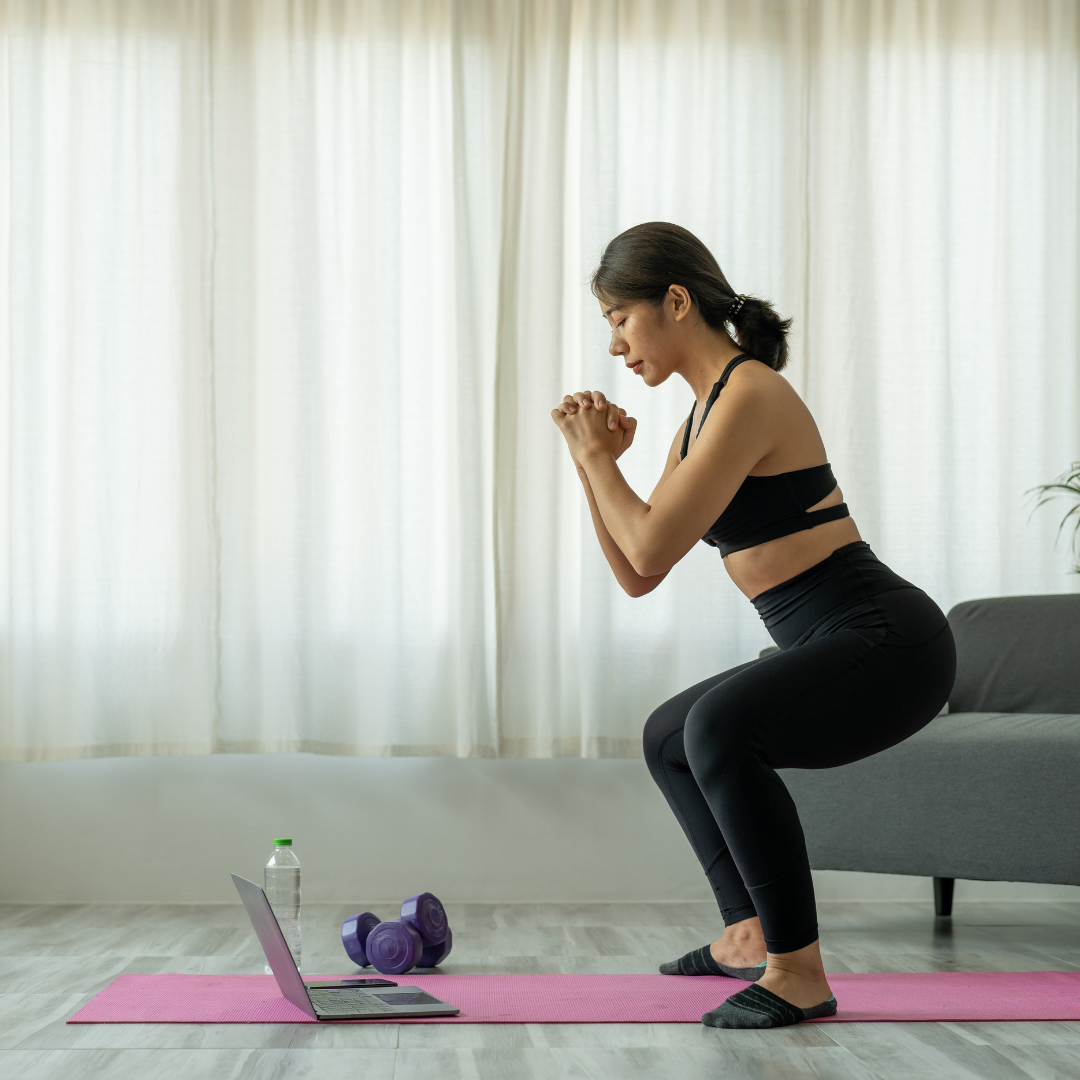
    Limited access to equipment should not hinder the effectiveness of an exercise routine. Bodyweight exercises offer valuable alternatives, allowing individuals to maintain their fitness without a gym. Examples include push-ups, squats, and lunges, which can effectively build strength.

    Incorporating everyday items, such as water bottles or backpacks filled with books, can add resistance to workouts. Online resources may offer creative workout ideas tailored to minimalist setups. Furthermore, maintaining a structured routine that focuses on different muscle groups ensures balanced development, even in limited circumstances.

    Maintaining Motivation During Plateaus

    Plateaus in progress can lead to frustration and decreased motivation. Recognising that these are common phases in any fitness journey is important. Individuals should consider varying their workouts to keep things fresh. Mixing cardio with weight training can stimulate muscle growth and burn additional calories.

    Setting new, achievable short-term goals can help reignite motivation. For instance, aiming to increase weight increments in strength training or adding an extra workout session each week offers tangible targets. Incorporating social elements, such as working out with a friend or joining a class, also provides accountability and encouragement, making it easier to push through stagnation.

    Supporting Habits With Healthy Recipes

    Nutrition plays a crucial role in sustaining exercise habits. Having healthy recipes on hand makes it easier to maintain a balanced diet that fuels the body for workouts. Preparing meals ahead of time saves time and reduces the temptation to rely on unhealthy options.

    Focusing on recipes rich in protein, such as grilled chicken salads or chickpea stir-fries, supports muscle recovery and growth. Including a variety of fruits and vegetables ensures essential nutrients are met. Meal planning tools and apps can assist in organising weekly menus, making healthy eating more manageable alongside regular exercise.


  • Effective Exercises for a Full-Body Workout at Home: Maximise Your Fitness Routine

    Effective Exercises for a Full-Body Workout at Home: Maximise Your Fitness Routine

    Effective exercises for a full-body workout at home can transform any fitness routine without the need for a gym. Many people seek efficient and accessible ways to achieve their fitness goals, making home workouts increasingly popular. Incorporating a variety of bodyweight exercises, resistance bands, and simple equipment can provide the comprehensive workout needed to engage all major muscle groups.

    Full-body workouts are not just time-efficient; they can also improve overall strength, endurance, and flexibility. With the proper selection of exercises, anyone can create a balanced routine that challenges the body and promotes muscle growth. Exercises like push-ups, squats, and planks can be easily modified to suit different fitness levels, ensuring a beneficial workout for everyone.

    Maintaining motivation while working out at home can be challenging, yet an engaging routine keeps individuals on track. By mixing different exercises, they can avoid monotony and stay focused on their fitness goals. Achieving a full-body workout from the comfort of home is entirely feasible and can lead to significant health benefits.

    Key Principles of Effective Full-Body Home Workouts

    Effective full-body home workouts require a blend of structured exercises, appropriate workout types, and a focus on progression. Understanding these principles can significantly enhance strength and endurance outcomes.

    Understanding Full-Body Training

    Full-body training involves engaging multiple muscle groups in a single session. This type of workout increases calorie burn and promotes balanced development.

    Key benefits include:

    • Improved Strength: Incorporating compound movements, such as squats and push-ups, targets multiple muscles.
    • Time Efficiency: Working all major muscle groups saves time, making it easier to fit into a busy schedule.
    • Increased Flexibility: Diverse exercise routines improve flexibility by promoting active movement in various planes.

    Maintaining proper form and technique is essential to prevent injury and maximise effectiveness during these workouts.

    Workout Types and Structures

    Different workout types can be employed to target overall fitness. Common structures include circuit training, interval training, and high-intensity interval training (HIIT).

    • Circuit Training: This involves performing a series of exercises back-to-back with minimal rest, enhancing endurance and strength.
    • Interval Training: Alternating between high-intensity and moderate activities boosts metabolism and cardiovascular capacity.
    • HIIT: This method combines short bursts of intense exercise followed by rest, efficiently improving fitness levels in a short duration.

    Incorporating varied structures adds excitement and prevents workout monotony, sustaining motivation.

    Optimising Exercise Sets and Progression

    To maximise benefits, it is crucial to optimise exercise sets and monitor progression. Key strategies include:

    • Repetitions: Aim for 8-12 reps for strength gains, while 15-20 reps can enhance endurance.
    • Sets: Typically, 2-4 sets per exercise can provide an effective workout volume.
    • Progression: Increase intensity by adding resistance, altering tempo, or increasing repetitions as strength improves.

    Regularly assessing performance and adjusting exercise variables ensures continuous improvement in strength and endurance.

    Essential Bodyweight Exercises for Strength and Endurance

    Bodyweight exercises are an effective way to enhance both strength and endurance without the need for equipment. Key movements like squats, push-ups, and planks target various muscle groups, promoting overall fitness.

    Squats for Lower Body Power

    Squats are a fundamental exercise that targets the thighs, hips, and glutes. They build lower body strength and power, essential for various activities.

    To perform a squat:

    • Stand with feet shoulder-width apart.
    • Lower the body by bending at the knees and pushing the hips back as if sitting in a chair.
    • Keep the chest upright and ensure the knees do not extend beyond the toes.

    For enhanced difficulty, variations such as jump squats or pistol squats can be incorporated. Regular practice improves muscle tone and endurance while boosting functional strength for daily tasks.

    Push-Ups for Upper Body Strength

    Push-ups are an excellent bodyweight exercise for developing upper-body strength. They primarily target the chest, shoulders, and triceps, making them effective for building muscle endurance.

    To perform a push-up:

    • Start in a plank position with hands slightly wider than shoulder-width apart.
    • Lower the body towards the ground while keeping the core engaged.
    • Push back up to the starting position, maintaining a straight line from head to heels.

    Variations include incline push-ups for beginners or diamond push-ups for increased tricep activation. Incorporating a range of push-up styles can further enhance upper body strength and stamina.

    Planks for Core Stability

    Planks are essential for core stability, strengthening the abdominals, lower back, and shoulders. A strong core is vital for overall fitness and helps in maintaining proper posture during other exercises.

    To perform a plank:

    • Assume a forearm plank position with elbows below shoulders and toes grounded.
    • Keep the body in a straight line from head to heels.
    • Maintain the position for as long as possible while focusing on engaging the core.

    Variations, such as side planks or plank jacks, can be introduced to increase intensity. Regularly practising planks enhances core endurance, necessary for athletic performance and daily movement.

    Dynamic Movements for Total Body Conditioning

    Dynamic movements engage multiple muscle groups, promoting cardiovascular fitness and strength simultaneously. Incorporating diverse exercises keeps routines challenging and effective.

    Integrating Burpees for Cardio and Strength

    Burpees are an excellent full-body exercise that combines strength training with a cardiovascular component. To perform a burpee:

    • Start in a standing position.
    • Drop into a squat, placing hands on the ground.
    • Jump back into a plank position.
    • Perform a push-up (optional for beginners).
    • Jump feet back to the squat position.
    • Explode upwards into a jump.

    This exercise targets the arms, chest, legs, and core while elevating the heart rate considerably. Including burpees in a workout routine enhances endurance and builds functional strength.

    Dips for Upper Body and Core

    Dips are particularly effective for developing the upper body, focusing on the triceps, shoulders, and chest. To execute dips:

    • Use parallel bars or the edge of a sturdy bench.
    • Place hands shoulder-width apart, fingers facing forward.
    • Lower the body by bending the elbows to about 90 degrees.
    • Push back up to the starting position.

    To engage the core, keep the body straight and avoid leaning too far forward. Dips can be modified for intensity, making them suitable for various fitness levels.

    Workout Circuit Examples

    Incorporating dynamic movements into a workout circuit maximises efficiency. A sample circuit might include:

    • 5 Burpees
    • 10 Dips
    • 15 Bodyweight Squats
    • 20 Mountain Climbers

    Repeat the circuit 3-4 times with a 1-minute rest between sets. This approach allows for a balanced workout, engaging major muscle groups while promoting fat loss and muscular endurance. Variations can be added to keep the routine fresh and challenging.

    Optimising Recovery and Supporting Overall Health

    Effective recovery is crucial for maximising the benefits of a full-body workout. It aids in muscle repair, enhances flexibility, and promotes cardiovascular health. Implementing structured recovery practices can lead to improved overall fitness outcomes.

    Importance of Cool Down Routines

    A proper cool-down routine is essential after any workout. It allows the heart rate to gradually return to its resting state, reducing the risk of dizziness or fainting. Cooling down typically involves light aerobic activity and static stretching of major muscle groups.

    This process helps flush out lactic acid and other metabolic waste products, aiding muscle recovery. Engaging in a cool down can also facilitate relaxation, promoting better sleep patterns. Aim for at least 5-10 minutes for an effective cool down.

    Enhancing Flexibility and Mobility

    Flexibility plays a vital role in overall fitness and injury prevention. Incorporating stretches into a cool-down routine can enhance muscle elasticity and joint range of motion. Targeting major muscle groups, such as the hamstrings, quadriceps, and shoulders, is beneficial.

    Dynamic stretching before a workout can prepare muscles for exertion, while static stretching post-workout can help relieve tension. Regular flexibility training promotes better posture and aids in daily activities, contributing to an improved quality of life.

    Supporting Cardiovascular and Vascular Health

    Cardiovascular health is integral to overall fitness and longevity. Engaging in regular aerobic exercise strengthens the heart, improving its efficiency in pumping blood. This, in turn, enhances vascular health, ensuring proper blood flow to the muscles.

    Aerobic activities, such as brisk walking, cycling, or swimming, support the cardiovascular system by increasing endurance and reducing the risk of heart disease. Including short bursts of high-intensity exercise can further benefit cardiovascular health by improving metabolic function and promoting fat loss.


  • Create a Holistic Wellness Routine: Essential Steps for a Balanced Life

    Create a Holistic Wellness Routine: Essential Steps for a Balanced Life

    Creating a holistic wellness routine is essential for fostering overall health and well-being. A well-rounded approach incorporates physical, mental, and emotional aspects, allowing individuals to nurture their entire being. By integrating various wellness practices, one can achieve balance and enhance quality of life.

    An effective wellness routine should include activities that promote physical fitness, such as exercise and nutrition, alongside practices for mental clarity, like mindfulness and meditation. Moreover, it is vital to engage in social and spiritual activities that contribute to a sense of community and purpose. This comprehensive approach ensures that all facets of health are attended to.

    As individual needs differ, the best wellness routine is one that aligns with personal goals and preferences. Exploring different practices and adjusting them to fit lifestyle can lead to sustainable habits that support long-term wellness. Investing time in a holistic routine can yield profound benefits not only for the individual but also for those around them.

    Establishing a Mindful Morning Routine

    A mindful morning routine sets a positive tone for the day. Incorporating practices that focus on mental clarity, nutritional intake, physical activity, and self-reflection can enhance overall well-being.

    Meditation and Mindfulness Practices

    Starting the day with meditation or mindfulness exercises can significantly reduce stress. Engaging in a 10-15 minute session allows the mind to settle, fostering a sense of calm and focus. Techniques such as breath awareness or guided visualisations help practitioners develop self-awareness.

    Benefits include:

    • Enhanced concentration.
    • Reduced anxiety.
    • Improved emotional resilience.

    Incorporating gratitude practices into morning meditation can also shift one’s mindset. Reflecting on positive aspects of life encourages a more optimistic outlook for the day ahead.

    The Importance of a Nutritious Breakfast

    A balanced breakfast is crucial for mental and physical health. Including whole grains, healthy fats, and protein provides sustained energy and improves cognitive function. Foods like oats, nuts, and fruits can boost mood and concentration, setting a productive tone for the day.

    Key components of a nutritious breakfast include:

    • Complex carbohydrates: For slow-release energy.
    • Protein: For satiety and maintaining focus.
    • Healthy fats: To support brain health.

    Hydration should not be overlooked. A glass of water or herbal tea can help rehydrate the body after sleep, improving alertness and energy levels.

    Physical Activity to Start the Day

    Engaging in physical activity in the morning catalyses energy and boosts mood. Activities such as yoga, brisk walking, or stretching enhance circulation and promote mental clarity.

    Advantages of morning exercise:

    • Release of endorphins, which elevate mood.
    • Increased alertness and focus.
    • Enhanced physical health over time.

    Even a short session of 15-30 minutes can yield significant benefits. Fresh air and sunlight during this time can further enhance mood. It’s an ideal way to energise both body and mind for the day ahead.

    Journaling for Mental Clarity

    Journaling is an effective tool for achieving mental clarity. Spending a few minutes writing down thoughts, feelings, or intentions can clear mental fog and provide direction for the day.

    Benefits of journaling include:

    • Identification of recurring thoughts or worries.
    • Enhanced self-awareness through reflection.
    • Promotion of gratitude, fostering a positive mindset.

    Implementing a structure such as bullet points or prompts can facilitate the journaling process. It allows for a concise expression of thoughts, making it easier to review and reflect upon later.

    Developing Balanced Daytime Habits

    Establishing a balanced daytime routine is essential for maintaining energy levels and promoting self-care. Focusing on meal planning, regular movement, and relaxation techniques can significantly contribute to overall wellness.

    Healthy Meal Planning

    Balanced meals are crucial for sustaining energy throughout the day. Planning meals can help ensure the intake of essential nutrients. Incorporating a variety of food groups keeps meals interesting and satisfying.

    • Breakfast Options: Pair whole grains, like oats or wholemeal bread, with proteins and healthy fats. This combination offers lasting energy.
    • Nutritious Lunches: Include lean proteins such as chicken, fish, or legumes, alongside plenty of vegetables. Salad bowls or wraps can provide balance and flavour.
    • Snacks: Fresh fruits, nuts, and yoghurt are excellent choices to fend off hunger between meals. Staying hydrated with water or herbal teas is equally important, as proper hydration supports cognitive function and physical performance.

    Incorporating Regular Movement

    Movement throughout the day enhances physical health and mental clarity. Regular physical activity, such as brisk walking or stretching, can improve circulation and alleviate fatigue.

    • Commute Options: Whenever feasible, opting for walking or cycling instead of driving promotes movement and can be energising.
    • Break Techniques: Implement short movement breaks every hour. Simple stretches or quick exercises can rejuvenate both mind and body.
    • Lunchtime Walks: Encouraging a brisk walk during lunch can counteract the sluggishness often felt after meals. This practice invigorates and aids digestion.

    Stress Reduction and Deep Breathing Techniques

    Managing stress is vital to a balanced daytime routine. Engaging in relaxation techniques can increase focus and calmness.

    • Deep Breathing: Practising deep breathing for five minutes can reduce immediate stress and enhance mental clarity. Inhale deeply through the nose, hold for a few seconds, and exhale slowly through the mouth.
    • Mindfulness Techniques: Incorporating mindfulness exercises during breaks can centre thoughts and decrease anxiety. Simple activities such as focusing on one’s breath or observing surroundings assist in calming the mind.
    • Regular Check-ins: Encouraging self-reflection throughout the day to assess stress levels can help identify triggers and facilitate healthier responses.

    Evening Components for Optimal Wellness

    An effective evening routine can significantly enhance relaxation and prepare the body for restorative sleep. Incorporating specific self-care activities and ensuring good sleep hygiene are crucial for supporting emotional well-being and physical health.

    Relaxing Self-care Activities

    Engaging in soothing self-care activities in the evening can help to calm the mind and body.

    Options include:

    • Reading: Choosing a calming book can shift focus and promote relaxation.
    • Meditation: Practising mindfulness or meditation can reduce stress and foster emotional balance.
    • Gentle Yoga: Stretching through light yoga routines can ease physical tension and prepare the body for sleep.

    It is essential to create an environment that supports relaxation. Dim the lights and reduce noise to foster tranquillity. Herbal teas, such as chamomile or lavender, can also promote relaxation and enhance the evening’s calming atmosphere. Establishing a routine for these activities can solidify positive habits and contribute to overall wellness.

    Preparing for Quality Sleep

    Quality sleep is essential for optimal wellness. Preparing for sleep involves several practices that enhance sleep hygiene.

    Establishing a consistent sleep schedule is vital. Going to bed and waking up at the same time each day can regulate the body’s internal clock.

    Creating a sleep-conducive environment is also important.

    This includes:

    • Comfortable Bedding: Ensure that the mattress and pillows support restful sleep.
    • Cool Room Temperature: A slightly cooler room can improve sleep quality.

    Limiting exposure to screens before bedtime helps minimise blue light interference, which disrupts melatonin production. Engaging in calming activities, such as journaling thoughts or gratitude reflections, can also prepare the mind for restful sleep and encourage emotional clarity during the night.

    Additionally, maintaining a cool and well-ventilated bedroom with the help of air conditioning can significantly enhance sleep quality. A properly maintained A/C with the help of Daytona FL air conditioning repair services will keep the room at an ideal cool temperature throughout without any fluctuations. It will also reduce humidity, filter out allergens, and prevent insects, all of which contribute to a more comfortable and healthier sleep environment.

    Fostering Holistic Well-being

    A holistic wellness routine requires attention to various aspects of life, including relationships, emotional health, and the integration of health practices. Recognising the interplay between these elements supports a balanced approach to well-being.

    Balancing Relationships and Personal Growth

    Nurturing relationships contributes to personal growth and emotional resilience. Healthy connections with family, friends, and colleagues provide a support network that fosters open communication and understanding. Prioritising time for meaningful interactions enhances emotional health.

    It is essential to set boundaries that respect individual needs while nurturing these relationships. Engaging in activities that promote shared interests encourages deeper connections and serves as a foundation for collaboration and creativity. Incorporating practices like active listening and empathy can also strengthen interpersonal skills.

    As individuals grow personally, they should engage in self-reflection to assess their goals and purpose. This process encourages a balance between personal aspirations and the needs of loved ones.

    Enhancing Emotional and Spiritual Health

    Emotional health is a crucial component of holistic well-being. Individuals benefit from practices that cultivate self-compassion and resilience. Engaging in mindfulness techniques, such as meditation or journaling, can enhance emotional awareness and clarity.

    Spiritual growth, whether through religious practices or personal exploration, provides a deeper sense of purpose. This connection can be fostered by spending time in nature, practising gratitude, or engaging in community service. Such activities not only enhance spiritual well-being but also improve emotional health.

    Creating space for reflection encourages individuals to evaluate their values and beliefs, leading to a more authentic life. By integrating emotional and spiritual practices, individuals can achieve a sense of balance and fulfilment in their wellness journey.

    Integrating Complementary Health Practices

    Incorporating complementary health practices contributes to a holistic lifestyle. Techniques such as acupuncture, yoga, or tai chi promote mindfulness and the all-important mind-body connection. These practices reduce stress and improve emotional and physical wellness.

    A balanced diet is another vital aspect. Consuming various nutrient-dense foods supports cardiovascular health and boosts mental wellness. This, in turn, enhances productivity and creativity.

    Additionally, setting regular routines for physical activity aids in maintaining physical wellness. Incorporating diverse forms of exercise, including strength training and aerobic activities, supports overall health. This multifaceted approach reinforces the importance of integrating various practices for comprehensive well-being.

  • The Ultimate Guide to Staying Fit for Stay-at-Home Moms

    The Ultimate Guide to Staying Fit for Stay-at-Home Moms

    “Being a stay-at-home mom is a full-time job, and it can often feel like there’s no time for anything else. Between taking care of the kids, cooking meals, doing laundry, and cleaning the house, finding time to exercise can seem impossible.

    But staying fit is crucial not just for your physical health but also for your mental well-being. That’s why we’ve put together the ultimate guide to help you stay in shape without sacrificing your precious time or energy. From quick workouts to healthy meal ideas, read on to discover our top tips for staying fit as a busy stay-at-home mom!”

    What is fitness?

    There is no one-size-fits-all answer when it comes to fitness for stay-at-home moms, as the intensity and duration of the workouts will vary depending on your own individual goals and capabilities.

    However, there are a few key things you can do to make staying fit as a mom as easy and stress-free as possible:

    1. Make it a habit to exercise every day. Even if it’s just 20 minutes of brisk walking, adding some movement into your routine will help boost your overall health and well-being.
    2. Choose exercises that you enjoy and that are challenging but manageable. If you find yourself struggling to get through an intense workout, try adjusting the difficulty level or incorporating some light stretches or yoga poses between sets to make the session more comfortable for you.
    3. Be patient with yourself – progress doesn’t happen overnight! Start by gradually increasing your intensity and duration over time, rather than trying to go from zero to 100 in a matter of weeks. Remember, taking things slowly will help ensure that you don’t injure yourself in the process!
    4. Make sure you have all the equipment you need before starting any workout program – including a quality pair of sneakers or gym clothes, a mat or towel for floor exercises, and enough water bottles/juice boxes/sports drinks for during and after your workout.

    Types of workouts for stay-at-home moms

    There are a few different types of workouts that fit the bill for stay-at-home moms. These workouts can be done at home with little to no equipment, and they can be tailored to your own fitness level.

    Bodyweight exercises are a great way to stay fit while you’re at home. You don’t need any equipment, just your body! All you need is some space to move and some time to exercise. Try some simple bodyweight exercises like squats, lunges, pushups, and situps.

    If you’re looking for a more challenging workout, consider using weights. You can find weights at most gyms or sporting goods stores. Start with basic exercises like bench presses, shoulder presses, and squats, and work your way up to more challenging workouts like deadlifts and powerlifting. Additionally, a good practice while keeping these exercises as your choice, might be tracking your exercises precisely. You may want to use a Dots Calculator or a Wilks calculator to help you track progress as well as understand your strength relative to others in the same weight class. Also, don’t forget to warm up before starting any new workout routine, especially if you’re using weights!

    If you want to combine both bodyweight and weight training into one workout routine, try circuit training. This type of workout involves performing several different exercises together in a circuit fashion. For example, you might do squats followed by chest presses followed by bicep curls. Circuit training is a great way to increase the intensity and burn more calories in a short amount of time.

    Whatever type of workout regimen suits your needs best, make sure to keep track of your progress so that you can see how your efforts are paying off!

    How do I find the right workout for me?

    If you are a stay-at-home mom, one of the most important things you can do to maintain your health and keep your body in top shape is to find a workout routine that fits you. There are a lot of different types of workouts out there, so it can be hard to figure out which one is best for you.

    Here are some tips on how to find the right workout for you:

    1. Stick to basic exercises.

    A lot of times, people try new workouts out but end up doing more complicated moves that they don’t understand or can’t do correctly. If you’re starting off with something simple, like running or walking, you’ll be better equipped to stick with it and learn what works best for your body.

    2. Don’t overdo it.

    When you’re trying out a new workout routine, make sure to ease into it gradually so that your body doesn’t get injured in the process. Also, be sure not to overwork yourself; if your heart rate is high all the time, chances are you’re doing too much exercise and not getting enough restorative sleep either.

    3. Find someone to help guide you.

    Not only will having someone else to bounce ideas off of help keep you accountable but having an instructor who knows what they’re doing can really help take the intimidation factor out of working out for first-timers.

    The benefits of staying fit as a stay-at-home mom

    The benefits of staying fit as a stay-at-home mom can be many. Here are just a few:

    1) You’ll feel better overall. When you’re physically active and have a balanced diet, you’ll have less stress and anxiety. In addition, staying fit will help improve your mood and energy levels throughout the day.

    2) You’ll have more time for yourself. Staying active doesn’t require expensive gym memberships or time away from your children – it can be done within the comfort of your own home. This means you can spend more time with your family, which is surely a benefit in itself!

    3) You’ll have more stamina. A healthy body is resistant to fatigue and injuries, so you’ll be able to handle more tasks throughout the day without feeling overwhelmed. Plus, being fit will give you an edge when competing for family time or taking on new projects at work.

    4) You’ll look and feel younger. A well-rounded fitness routine helps keep skin looking young and elastic, reduces wrinkles and cellulite, and strengthens bones – all of which are sure to make you look years younger!

    Tips for staying motivated

    As a stay-at-home mother, it can be hard to maintain your fitness routine when you’re not working out in a gym or running on the treadmill. But there are plenty of simple tips you can use to stay motivated and fit while living at home.

    1. Make time for exercise.

    Even if you only squeeze in a quick session every other day, it will help keep your body healthy and toned.

    2. Spend time outdoors

    Spending some time out in the morning sun can be invigorating and uplifting, boosting your mood and energy levels for the day ahead. Whether it’s a brisk walk, a jog in the park, or a yoga session in your backyard, getting some fresh air and sunshine can do wonders for your motivation and overall well-being. If you can’t make time to go outdoors, at least consider fitting a pyramid roof light pane in your home to maximize natural light exposure. This can help simulate the benefits of being outdoors, providing ample sunlight to uplift your mood and enhance your energy levels, even if you’re indoors.

    3. Practice yoga or Pilates at home.

    These exercises offer a myriad of benefits, enhancing flexibility, strength, and balance. Conveniently, they can be performed in the comfort of your home, eliminating the need for attending classes or investing in costly equipment. This accessibility makes them ideal for individuals seeking to improve their overall fitness without the constraints of time or financial commitments associated with traditional gym memberships or classes. Moreover, the simplicity of these exercises ensures that anyone, regardless of fitness level or experience, can incorporate them into their daily routine to promote physical well-being and vitality.

    4. Create a dedicated workout space

    Establishing a designated workout area within your home can greatly enhance your dedication and enthusiasm for fitness. One effective approach is to repurpose an existing room into a personal home gym. In this regard, services offered by a skilled handyman in Pearland or wherever you are located can bear fruitful results. They can help bring your vision to life, from installing appropriate flooring and lighting to painting walls and setting up equipment. Alternatively, embracing an outdoor gym space can present a refreshing option, utilizing backyard or patio areas for workouts amidst the natural environment. You could even consider reaching out to a firm that can assist with installing sundecks in Edmonton (if that’s where you live) to create an outdoor workout space that offers an inspiring environment for physical activity. Regardless of your preference, having a dedicated space will streamline organization and enhance your commitment to maintaining a consistent fitness regimen.

    5. Work out with a friend or family member.

    Joining a fitness group can be a great way to make friends and support one another while staying active. Plus, it’s fun to push each other to achieve bigger goals!

    6. Take up a new sport or activity that you’re curious about.

    If you don’t have any experience in martial arts or rock climbing, try learning some basics before diving into more challenging activities later on. The more variety your workouts have, the more likely you are to stick with them over time!

    As a stay-at-home mom, it can be hard to find time to work out and maintain your fitness routine. However, by following our guide, you can ensure that you are getting the most out of your days off.

    By incorporating some of the exercises we have provided into your daily routine, you will not only stay fit but also enjoy yourself while doing so. Thank you for reading!


  • How to Incorporate Resistance Training into Your Fitness Routine

    Are you tired of the same old cardio routine but don’t know where to start with strength training? Incorporating resistance training into your fitness routine can be a game-changer, helping you build muscle, boost your metabolism, and increase overall strength.

    Alternatively, if you’re a male and are deficient in testosterone, you might consider getting hormone replacement therapy. Low levels of testosterone can affect your gym performance, thereby, impacting your muscle mass, which may hinder your progress. Getting testosterone replacement can help in uplifting your mood, increasing energy, and aid in achieving your resistance training goals. However, consider talking to your doctor about the potential side-effects and talk to someone close to you who can support you during the process.

    In this blog post, we’ll walk you through how to incorporate resistance training into your workout regime – so get ready to take your fitness goals to the next level!

    Introduction to Resistance Training

    Resistance training is a type of exercise that helps build muscle and strength. It can be done using free weights, like dumbbells, barbells, or weight machines. Resistance bands are another option.

    You don’t have to lift heavy weights to get started. You can start with just your body weight. As you get stronger, you can add more resistance.

    There are many benefits of resistance training. It can help increase bone density, reduce your risk of injuries, and improve your balance and coordination. It can also help you burn calories and build lean muscle mass.

    If you’re new to resistance training, starting slowly and listening to your body is essential. If something hurts, stop doing it. And be sure to warm up before lifting weights or using any resistance equipment.

    Benefits of Resistance Training

    Resistance training is a great way to improve your overall fitness. It can help you build muscle, lose fat, and improve cardiovascular health. Here are some of the benefits of resistance training:

    1. Builds muscle: When you lift weights, you create tiny tears in your muscle fibers. As your muscles heal, they grow more robust and more significant. This process is known as muscle hypertrophy.
    2. Burns fat: Although cardio is often considered the best way to burn fat, resistance training can also be efficient. When you build muscle, your body burns more calories at rest. This means that even when you’re not working out, you still burn more calories than if you didn’t have any muscle.
    3. Improves cardiovascular health: Resistance training can help improve your cardiovascular health by increasing your heart’s stroke volume (the amount of blood it pumps with each beat). This leads to a lower heart rate and a decrease in blood pressure.

    Types of Resistance Training

    The most common type of resistance training is weightlifting, which uses gravity and external weights to resist the force your muscles generate. Other types of resistance training include bodyweight exercises, such as push-ups and pull-ups, and elastic band exercises.

    Weightlifting is a great way to build muscle strength and endurance. You will need access to some gym or home weights to get started. Start with light weights and gradually increase the weight you lift as you get stronger. Be sure to use proper form to avoid injury.

    Bodyweight exercises are a great way to start resistance training if you need weight access. These exercises use your body weight to provide resistance to be done anywhere. Push-ups and pull-ups are two regular bodyweight exercises that work for multiple muscle groups. As you get stronger, you can add repetitions or sets or try more challenging variations of these exercises.

    Elastic band exercises provide another option for resistance training without needing weights. These exercises can be done at home with a simple elastic band (or a towel). Elastic band exercises are often used in physical therapy to help rehabilitation patients regain muscle strength after an injury.

    Choosing the Right Equipment

    There are many different ways to incorporate resistance training into your fitness routine. You can use free weights, resistance bands, or even your body weight. The key is to find the right equipment for you and your goals.

    Free weights are a great option to build muscle or increase strength. They provide more resistance than your body weight, so you’ll see results faster. However, free weights can be dangerous if you don’t use the proper form. Make sure to seek a qualified personal trainer or coach to help you get started.

    Resistance bands are a great alternative to free weights. They’re less expensive and easier to transport, perfect for working out at home or on the go. Resistance bands come in different resistance levels to find the perfect class for you. They also offer a more excellent range of motion than free weights, which benefits joint health.

    Your body weight is also a great option for resistance training. Push-ups, pull-ups, and squats are all excellent exercises that use your body weight as resistance. These exercises can be done anywhere, anytime, making them very convenient. If you’re starting out, plenty of modification options are available to make these exercises easier.

    The key to success with resistance training is finding the right equipment for you and your goals. Feel free to experiment until you find what works best for you. Good luck!

    Safety Tips for Resistance Training

    If you’re new to resistance training, or even if you’re experienced, it’s essential to keep safety in mind. Here are some tips to help you stay safe while incorporating resistance training into your fitness routine:

    1. Start with lower weights and higher reps. You can increase the weight and decrease the reps as you get stronger.
    2. Use proper form. This will help prevent injuries and ensure you get the most out of your workout.
    3. Focus on quality over quantity. It’s better to do a few reps with good form than to try to lift too much and risk injury.
    4. Listen to your body. If something feels uncomfortable or doesn’t feel right, stop doing it and consult a professional if necessary.
    5. Have realistic expectations. Gains take time, so expect results to be on time. Be patient and consistent with your workouts; you’ll see progress.

    Resistance training is essential to any fitness routine and should be incorporated into your workout plan. By practicing the exercises outlined here, you can develop strength, improve flexibility and enhance your overall performance in whatever activity you choose.

    Various types of resistance training are available, so find one that suits your needs best. With consistency and dedication to this type of workout program, you can become stronger, fitter, and more agile for years to come!