Category: Homecooking

  • Simple Home Cooking Recipes for a Stress-Free Dinner Experience

    Simple Home Cooking Recipes for a Stress-Free Dinner Experience

    Even the busiest individuals can enjoy a satisfying dinner without the chaos that often accompanies cooking. Simple home cooking recipes can transform mealtime into a stress-free experience, allowing anyone to prepare delicious dishes with minimal fuss. With a few key ingredients and straightforward methods, it’s possible to whip up a meal that delights the palate and calms the mind.

    Incorporating simple recipes into one’s routine not only saves time but also promotes creativity in the kitchen. Home cooks can experiment with flavours and ingredients while maintaining an unhurried approach. This blog post will present easy-to-follow recipes that are perfect for an enjoyable dinner, regardless of culinary skill level.

    Essential Ingredients for Simple Home Cooking

    Having the right ingredients readily available simplifies the cooking process. Key items found in the pantry, fresh vegetables, and basic proteins form the foundation for a variety of stress-free meals.

    Staple Pantry Items

    A well-stocked pantry is crucial. Essential items include:

    • Rice: Offers versatility and serves as a base for numerous dishes.
    • Quinoa: A protein-rich alternative, ideal for salads and bowls.
    • Couscous: Cooks quickly and pairs well with vegetables and proteins.
    • Pulses: Beans and lentils provide excellent sources of fibre and protein.

    Other essential items are:

    • Garlic: Adds depth to flavours in many dishes.
    • Spices: Paprika, cumin, and thyme can elevate simple recipes.
    • Oils: Olive oil is ideal for cooking and dressings.

    Keeping these items on hand allows for easy meal preparation without frequent shopping trips.

    Versatile Vegetables

    Having a selection of fresh vegetables makes meal creation simple. Key choices include:

    • Spinach: Easy to incorporate into dishes, providing nutrients.
    • Carrots: Can be roasted, sautéed, or added to salads.
    • Bell Peppers: Colourful additions that bring flavour and crunch.
    • Zucchini: Versatile and can be spiralised or grilled.

    Fresh herbs, such as thyme, add flavour without extra calories. Having a range of vegetables ensures options for quick stir-fries, salads, and more.

    Basic Proteins

    Proteins are vital for a balanced meal. Consider these options:

    • Chicken Breasts: Lean and quick to cook, ideal for various preparations.
    • Tofu: A plant-based protein that easily absorbs flavours.
    • Beans: Perfect for vegetarian dishes and high in protein.

    Each protein source offers versatility. They can be grilled, roasted, or combined with spices and vegetables for a satisfying and nutritious meal. These choices help create balanced dinners that require minimal effort.

    Simple and Stress-Free Dinner Recipes

    These recipes offer practical solutions for anyone seeking quick and easy weeknight meals. Each dish focuses on minimal preparation and maximum flavour, making them ideal for busy evenings.

    One-Pot Meals

    One-pot meals simplify the cooking process by combining all ingredients into a single pot or pan. This method not only saves time but also reduces cleanup.

    A popular one-pot recipe is spicy sausage and vegetable stew. It includes:

    • Ingredients: Spicy sausage, bell peppers, onions, diced tomatoes, and beans.
    • Instructions: Brown the sausage, add chopped vegetables, and simmer with tomatoes until tender.

    Another option is beef and rice casserole. This dish requires:

    • Ingredients: Ground beef, rice, broth, mixed vegetables, and cheese.
    • Instructions: Cook the beef, mix in uncooked rice and broth, and bake until cooked through.

    Quick Chicken Dishes

    Chicken provides a versatile protein source for quick meals. Recipes can be tailored to various tastes and dietary needs.

    Consider lemon garlic chicken breasts. This dish involves:

    • Ingredients: Chicken breasts, garlic, lemon juice, and herbs.
    • Instructions: Marinate the chicken in lemon juice and garlic, then sauté for 6-8 minutes per side.

    Another simple option is chicken stir-fry. Key components include:

    • Ingredients: Chicken strips, broccoli, bell peppers, soy sauce, and ginger.
    • Instructions: Cook the chicken, add vegetables, and stir-fry until tender. Serve with rice or noodles.

    Vegetarian Favourites

    For a meat-free option, vegetarian recipes can be just as comforting. They often incorporate various proteins and flavours.

    A delicious choice is chickpea curry. This recipe needs:

    • Ingredients: Canned chickpeas, coconut milk, curry paste, and spinach.
    • Instructions: Sauté curry paste, add chickpeas and coconut milk, simmer, then stir in spinach before serving.

    Another option is vegetable pasta. It includes:

    • Ingredients: Pasta, seasonal vegetables, olive oil, and parmesan cheese.
    • Instructions: Cook the pasta, sauté vegetables in olive oil, and mix everything with cheese for a satisfying meal.

    Flavourful Sides and Accompaniments

    Sides can elevate a simple meal, providing balance and variety. A few well-prepared accompaniments can enhance the overall dining experience while keeping things easy and stress-free.

    Easy Rice And Grain Sides

    Rice and grains serve as versatile bases for meals. Quinoa, for instance, offers a nutty flavour and a boost of protein. It cooks in about 15 minutes, making it a quick option.

    Couscous is another excellent choice. It only requires boiling water, needing just five minutes to fluff up. Adding chopped herbs, such as parsley or coriander, creates a fresh dimension.

    Consider mixing cooked rice with sautéed zucchini and carrots for a colourful dish. Season with olive oil and a squeeze of lemon for brightness.

    Simple Vegetable Dishes

    Vegetables can transform any meal. Spinach is an easy option; it wilts quickly in a hot pan with garlic and a splash of olive oil. Adding a pinch of nutmeg enhances its flavour profile.

    Roasted carrots are another delightful side. They caramelise beautifully in the oven. Toss sliced carrots in honey or balsamic vinegar for added sweetness.

    Sautéed greens such as kale or broccoli provide both nutrition and taste. Season with salt and pepper to highlight their natural flavours.

    Creative Uses For Beans And Legumes

    Beans and legumes add protein and fibre to meals while being very versatile. Chickpeas can be roasted for a crunchy snack or tossed into salads for texture. Black beans are perfect in a simple bean salad, mixed with corn, diced tomatoes, and lime juice. This combination brings freshness and a range of colours.

    Lentils cook quickly and absorb flavours well. They can be spiced with cumin and tossed with roasted vegetables for a hearty side. Incorporating these ingredients boosts nutritional value while keeping preparation straightforward and enjoyable.

    Finishing Touches: Seasoning and Sweet Treats

    Seasoning can elevate any meal, bringing out the best in ingredients. A delightful dessert can cap off the dinner experience, making it memorable.

    Mastering Spices and Seasonings

    To transform a simple dish, understanding spices and seasoning is crucial. Paprika, known for its mild flavour and vibrant colour, works well in stews and roasted vegetables. Thyme adds an earthy aroma, perfect for seasoning meats and soups. Cumin delivers a warm, slightly nutty flavour that enhances both savoury dishes and some marinades.

    When experimenting with spices, start with small amounts. This allows one to find the right balance without overwhelming the dish. Additionally, layering flavours by adding different spices at various cooking stages can build depth.

    Simple Cookies for Dessert

    After a fulfilling meal, a quick dessert can add a pleasant touch. Cookies are a popular option due to their simplicity and versatility.

    A basic cookie recipe may include ingredients like flour, sugar, butter, and eggs. To create a delicious treat, one can mix in chocolate chips, nuts, or dried fruits.

    Baking Steps:

    • Preheat the oven to 180°C (350°F).
    • Cream butter and sugar together.
    • Add eggs, mixing until combined.
    • Gradually add flour and your choice of add-ins.
    • Drop spoonfuls onto a baking sheet and bake for 10-12 minutes.

    These cookies can be modified with spices like cinnamon for added flavour.

    Quick Seafood Options

    For those seeking a lighter finishing touch, seafood is an excellent choice. Dishes can be prepared swiftly, using fresh or frozen options.

    Popular Seafood:

    • Salmon
    • Prawns
    • Cod

    Simple Preparation:

    • Season the seafood with a blend of spices such as paprika and cumin.
    • Grill or pan-fry with a drizzle of olive oil for about 5-10 minutes.
    • Serve with lemon wedges for added freshness.

    Seafood cooked with minimal ingredients is not only quick but also retains its natural flavours, making it a satisfying option after a hearty meal.


  • How to Make Homemade Snacks That Are Both Healthy and Tasty: A Guide to Wholesome Treats

    How to Make Homemade Snacks That Are Both Healthy and Tasty: A Guide to Wholesome Treats

    Making homemade snacks can be both a delicious and nutritious choice. With the right ingredients and a few simple techniques, anyone can create treats that satisfy cravings without compromising health. Healthy snacks can be both enjoyable and easy to prepare, setting the stage for better eating habits.

    Incorporating fresh fruits, vegetables, and whole grains can enhance flavour while providing essential nutrients. By experimenting with various spices, herbs, and cooking methods, individuals can elevate the taste profile of their snacks significantly. This approach not only makes snacking more enjoyable but also encourages a balanced diet.

    As people become increasingly conscious of their eating habits, turning to homemade options offers a practical solution. From energy bites to baked snacks, the possibilities are diverse. By following straightforward recipes and tips, anyone can make snacks that are both healthy and enjoyable.

    Essential Ingredients for Healthy and Tasty Snacks

    Choosing the right ingredients is crucial for creating snacks that are both nutritious and flavourful. The following components enhance taste while maintaining health benefits.

    Nutrient-Dense Bases

    A strong base is essential for any snack. Choose ingredients like whole grains, nuts, and seeds for their rich nutrient profiles.

    • Whole Grains: Options such as oats or quinoa provide fibre and essential vitamins.
    • Nuts and Seeds: Almonds, walnuts, and chia seeds offer healthy fats, protein, and minerals.

    These bases not only contribute to heart health but also help in maintaining energy levels. By incorporating legumes like chickpeas, one can create nutritious dips or bars. These ingredient choices form a satisfying foundation for any healthy snack idea, ensuring they are filling without excessive calories.

    Natural Flavour Enhancers

    To elevate taste without adding unhealthy ingredients, natural flavour enhancers are key.

    • Herbs and Spices: Fresh basil, rosemary, and chilli powder can transform simple snacks.
    • Citrus Zest: Lemon or lime zest adds a zing that brightens flavours.
    • Garlic and Onion: Both provide depth and an aromatic profile, enhancing the overall taste.

    Using these ingredients allows for creativity while avoiding processed flavourings. Dipping sauces with fresh herbs or salads with zesty dressings can excite the palate while keeping the snack wholesome.

    Low-Calorie Sweeteners

    For those seeking sweetness without guilt, low-calorie sweeteners can be beneficial.

    • Honey and Maple Syrup: While natural, they should be used sparingly due to their caloric content.
    • Stevia: A popular plant-based sweetener is calorie-free and easily balances flavours in recipes.

    Incorporating fruits like ripe bananas or apples can also add natural sweetness, reducing the need for added sugars. These options allow for indulgence while promoting a healthier lifestyle.

    Simple Homemade Snack Recipes

    Creating snacks at home can be both simple and enjoyable. The following recipes cater to various tastes and dietary needs, ensuring a delightful experience without the complexity.

    No-Cook Snack Creations

    No-cook snacks are ideal for quick preparations. They require minimal effort while delivering flavour and nutrition.

    • Nut Butter Banana Bites: Slice a banana and spread almond or peanut butter between two pieces. Add a sprinkle of chia seeds for extra fibre and omega-3s.
    • Greek Yoghurt Parfaits: Layer Greek yoghurt, fresh fruits, and granola in a glass. This provides protein, vitamins, and crunch in every bite.
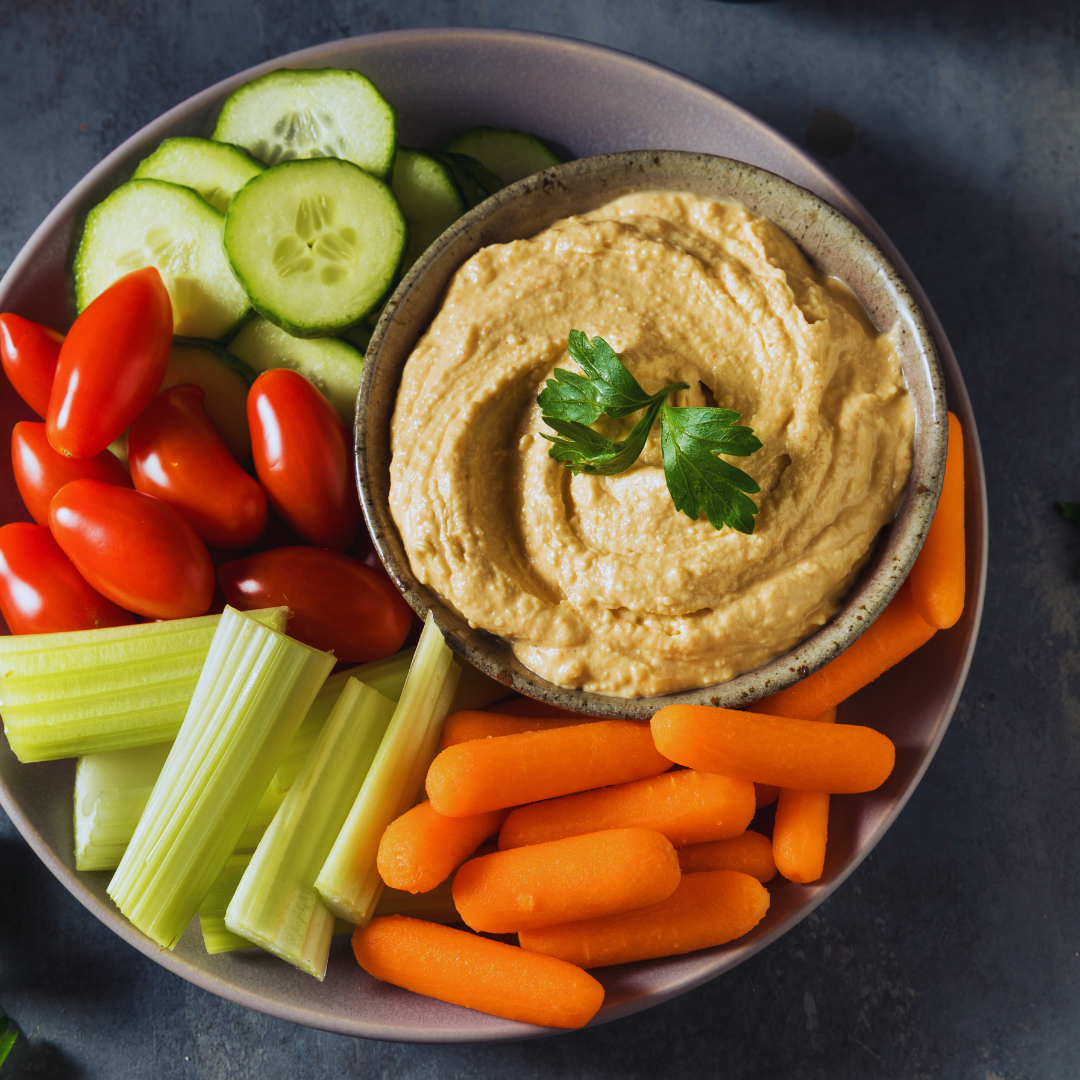
    • Veggie & Hummus Platter: Slice assorted vegetables like carrots, bell peppers, and cucumbers. Serve them with hummus for a satisfying and healthy dip.

    These easy snacks can be thrown together in minutes, ideal for busy days.

    Quick Baked Snacks

    Baking offers a warm and comforting approach to healthy snacks. The following recipes are quick to prepare and create delicious outcomes.

    • Oven-Baked Sweet Potato Fries: Cut sweet potatoes into strips, toss with olive oil, salt, and pepper, then bake at 200°C for 20-25 minutes until crispy.
    • Cheese and Herb Biscuits: Mix wholemeal flour, grated cheese, and dried herbs. Add butter and a little milk, then form into small rounds. Bake at 180°C for 15-20 minutes until golden.
    • Zucchini Muffins: Grate zucchini and mix it with wholemeal flour, eggs, and honey. Pour into a muffin tray and bake at 180°C for 15-20 minutes.

    These recipes not only taste good but also maintain nutritional value.

    High-Protein Options

    Snacks rich in protein support muscle health and enhance satiety. Here are some protein-packed recipes.

    • Cottage Cheese and Pineapple: Combine low-fat cottage cheese with pineapple chunks. This snack is refreshing and provides a good amount of protein.
    • Chickpea Salad: Mix canned chickpeas with diced tomatoes, cucumber, and a squeeze of lemon juice. This salad is protein-rich and very filling.
    • Protein Balls: Blend oats, peanut butter, honey, and protein powder. Form into small balls and refrigerate. They are perfect for a quick energy boost.

    These high-protein options keep hunger at bay and contribute to a balanced diet.

    Creative and Unique Snack Ideas

    Healthy snacks can be both inventive and delicious. By incorporating various ingredients, one can create unique flavour experiences that satisfy cravings without compromising nutrition.

    Roasted Chickpeas Varieties

    Roasted chickpeas are versatile and provide a crunchy texture that complements various flavours. To make them, rinse and drain a can of chickpeas, then pat them dry.

    Here are some flavour combinations:

    • Spicy Garlic: Toss chickpeas with olive oil, minced garlic, and smoked paprika. Bake until crisp for a fiery kick.
    • Herb and Lemon: Mix with fresh herbs like rosemary and thyme, along with lemon zest, for a refreshing taste.
    • Sweet Cinnamon: For a sweeter option, combine with cinnamon, a touch of honey, and a sprinkle of sea salt before roasting.

    Each variety can be customised to suit personal preferences. Roasted chickpeas are not only nutritious but also easy to prepare.

    Labneh Snack Combinations

    Labneh, a creamy strained yoghurt, serves as an excellent base for various toppings. Its tangy profile pairs well with both savoury and sweet ingredients.

    Here are some combinations to consider:

    • Mediterranean Delight: Drizzle labneh with olive oil and sprinkle za’atar, adding pomegranate seeds for a burst of sweetness.
    • Veggie Platter: Serve with cucumber sticks, carrot slices, and cherry tomatoes for a fresh and crunchy snack option.
    • Fruit and Honey: Top labneh with mixed berries and a drizzle of honey, making for a sumptuous and healthy dessert.

    These combinations highlight labneh’s adaptability, allowing for creativity while maintaining health benefits.

    Cottage Cheese Delights

    Cottage cheese is rich in protein and can be transformed into satisfying snacks. Its mild flavour serves as a blank canvas for several toppings.

    Consider these ideas:

    • Savory Bowl: Combine cottage cheese with diced tomatoes, cucumber, and a sprinkle of black pepper for a refreshing dish.
    • Sweet Treat: Mix with sliced bananas and a dash of cinnamon for a naturally sweet snack that is also nutritious.
    • Nutty Crunch: Top with chopped nuts and a drizzle of maple syrup for added crunch and flavour.

    Cottage cheese provides a healthy option that can cater to both sweet and savoury cravings, making it a favourite among snack enthusiasts.


  • Healthy Home-Cooked Meals That Promote Relaxation: Simple Recipes for a Calmer Mind and Body

    Healthy Home-Cooked Meals That Promote Relaxation: Simple Recipes for a Calmer Mind and Body

    The demands of daily life can often lead to stress and tension. Cooking can serve as a therapeutic activity, allowing individuals to unwind while preparing meals that nourish both body and mind. Healthy home-cooked meals that emphasize fresh ingredients and balanced nutrition are key to fostering relaxation in the home environment.

    Incorporating a variety of whole foods, such as vegetables, lean proteins, and whole grains, not only supports physical health but also promotes mental well-being. Aromatic herbs and spices can enhance the dining experience and contribute to a calming atmosphere. This blend of flavours and nutrients can transform mealtime into a soothing ritual rather than just a daily chore.

    Exploring recipes that prioritise health and comfort creates an opportunity for creativity in the kitchen. With each dish prepared, individuals can deepen their connection to food while cultivating a sense of peace and satisfaction. Making small changes to meal choices can significantly enhance one’s overall sense of relaxation and comfort at home.

    Fundamentals of Healthy Home-Cooked Meals for Relaxation

    Healthy home-cooked meals can have a significant impact on promoting relaxation and well-being. Focusing on nutritious ingredients and mindful cooking practices can enhance the relaxation experience. This section explores how home cooking nurtures calmness, the relationship between healthy eating and wellbeing, and the core principles behind soothing meals.

    Why Home Cooking Promotes Relaxation

    Cooking at home allows individuals to engage in a therapeutic activity that can reduce stress. Involving oneself in meal preparation provides an opportunity to disconnect from daily pressures. The act of chopping vegetables, stirring sauces, or baking bread can deliver a sense of mindfulness, grounding the individual in the moment.

    Creating a comfortable environment while cooking, such as playing soft music or lighting candles, further adds to the relaxing experience. Home cooking encourages creativity, allowing one to experiment with flavours and textures, which can be both enjoyable and soothing.

    The Link Between Healthy Eating and Wellbeing

    A balanced diet forms the basis for physical and mental well-being. Consuming nutrient-rich foods can positively influence mood and energy levels. Ingredients such as leafy greens, whole grains, and lean proteins provide essential vitamins and minerals that contribute to a more relaxed state of mind.

    Certain foods, like fatty fish (rich in omega-3 fatty acids), nuts, and avocados, are known to help reduce anxiety and stress. Incorporating these elements into home-cooked meals not only nourishes the body but also supports emotional stability.

    Core Principles of Nutritious and Calming Meals

    To prepare healthy meals that promote relaxation, several principles should be observed:

    • Balanced Ingredients: Each meal should include a balance of proteins, carbs, and healthy fats. This balance helps to maintain stable energy levels and reduce mood swings.
    • Mindful Preparation: Approach cooking with intention. Focus on the sensory aspects, including colours, textures, and aromas, to enhance the overall experience.
    • Seasonal and Local Produce: Utilising fresh, seasonal ingredients can lead to flavourful meals. Local produce often contains higher nutrient levels and supports a sustainable food system.
    • Herbs and Spices: Incorporate calming herbs like chamomile, lavender, and basil. These not only add flavour but also promote relaxation.

    By adhering to these principles, one can create nourishing meals that not only satisfy hunger but also encourage a tranquil atmosphere conducive to relaxation.

    Key Ingredients and Nutritional Guidelines

    Creating healthy home-cooked meals that promote relaxation involves selecting key ingredients that provide nourishment and comfort. Focusing on protein, healthy fats, fibre, and balanced dietary guidelines ensures meals support both physical well-being and mental tranquility.

    Incorporating Protein and Healthy Fats

    Proteins are essential for muscle repair and maintaining overall health. They can be sourced from various options such as lean meats, fish, legumes, and tofu. Including these in meals helps regulate blood sugar levels and promotes satiety.

    Healthy fats, like those found in avocados, nuts, seeds, and olive oil, contribute to brain health and hormone regulation. These fats also enhance the flavour of dishes. Combining protein and healthy fats in meals creates a satisfying experience that can lead to improved mood and relaxation.

    Boosting Fibre for Digestive Comfort

    Fibre plays a crucial role in digestive health. Incorporating whole grains, fruits, vegetables, and legumes into meals provides the necessary fibre for healthy digestion. Foods like oats, lentils, and apples are excellent choices.

    Adequate fibre intake supports a balanced microbiome, which can positively affect mental health. Meals rich in fibre can help prevent discomfort and promote a sense of well-being, making it easier to relax after eating.

    Following Dietary Guidelines for Balance

    Adhering to dietary guidelines can help individuals achieve nutritional balance. It is recommended to fill half of one’s plate with fruits and vegetables, a quarter with whole grains, and a quarter with protein sources.

    Monitoring portion sizes and being mindful of one’s specific dietary needs is essential. Personalised nutrition that follows these guidelines supports a holistic approach to well-being and relaxation, enabling individuals to enjoy their meals while nourishing their bodies.

    Meal Planning and Preparation for Stress-Free Evenings

    Creating a serene evening through meal planning and preparation can significantly reduce stress. By implementing effective strategies and routines, one can enjoy comforting meals while keeping the kitchen process manageable.

    Effortless Meal Prep Strategies

    Success in meal prep starts with organisation. Dedicate one day a week for planning meals. Use a planner or app to jot down recipes for the week. Choose meals that share ingredients to minimise waste and maximise efficiency.

    Batch cooking is another useful strategy. Prepare larger portions of meals and divide them into containers. This allows for quick reheating during busy evenings. Prepare versatile ingredients like grains or roasted vegetables ahead of time, which can be easily added to different dishes.

    Creating a shopping list based on planned meals will ensure quick supermarket trips. Avoid impulse buys by sticking to the list. It is beneficial to shop when less busy, as a calm environment contributes to a more relaxed meal prep experience.

    Easy and Comforting Meal Plans

    Comfort food doesn’t have to be unhealthy. Incorporate hearty meals that are both nutritious and satisfying. Examples include a sweet potato and black bean stew or a cosy vegetable curry. Such dishes often improve with time, making leftovers even tastier.

    Consider meals like hearty soups, which can be made in bulk and stored. These are easy to adapt with various vegetables and proteins. Incorporating lean meats or plant-based options keeps them healthy, while spices add flavour.

    Mixing grains with roasted vegetables makes for a balanced meal. Options like quinoa or brown rice provide fibre. Add a protein source, such as beans or grilled chicken, for a complete dish that is both comforting and nourishing.

    Relaxing Meal Preparation Routines

    An organised kitchen is key to a relaxing cooking experience. Set a soothing atmosphere; soft music and dim lighting can create a calming environment. Preparing ingredients ahead of time also promotes a smoother process.

    Allowing ample time for recipes is crucial. Trying to rush can lead to frustration. Setting up a timing system can help manage cooking periods efficiently. Using easy recipes during busy evenings aids in reducing pressure.

    Engaging in mindful cooking contributes to a pleasant experience. Focus on the process rather than the outcome. Taking deep breaths and appreciating the ingredients can enhance the overall enjoyment of preparing meals.

    Relaxation-Inspired Recipe Ideas

    Home-cooked meals can be a delightful way to promote relaxation. Adapting classic recipes to be healthier while maintaining their comforting essence allows for mindful indulgence and satisfaction.

    Nutritious Takes on Comfort Classics

    Comfort food can be both satiating and healthy. For instance, a creamy mushroom risotto can be made with brown rice and coconut milk, enhancing its richness while adding nutritional value.

    Ingredients for Creamy Mushroom Risotto:

    • Brown rice (1 cup)
    • Vegetable broth (4 cups)
    • Mushrooms (200g, sliced)
    • Coconut milk (½ cup)
    • Garlic (2 cloves, minced)

    Cooking this dish slowly with attention allows for flavours to develop. The use of fresh herbs like parsley can enhance both taste and mood.

    Healthy Versions of Pizza and Tacos

    Pizza and tacos can be transformed into wholesome meals. Using wholegrain bases for pizzas and loading them with vegetables like spinach and bell peppers creates a vibrant dish.

    Suggested Toppings:

    • Low-fat cheese
    • Fresh herbs (basil, oregano)
    • Grilled chicken or tofu

    Tacos can be made using wholemeal tortillas filled with black beans, avocado, and pico de gallo. This combination is filling and packed with nutrients, making it a perfect relaxing meal option.

    Cottage Pie with a Healthy Twist

    Cottage pie can be reimagined for a healthier take. Using lean minced turkey instead of beef reduces fat content, while sweet potatoes can replace traditional mash.

    Recipe Components:

    • Lean turkey mince (500g)
    • Sweet potatoes (600g)
    • Carrots and peas (200g each)
    • Low-sodium chicken stock

    Cooking the filling with onions and garlic adds flavour. Topping the pie with mashed sweet potatoes creates a naturally sweet and nutritious crust, achieving a comforting yet healthy meal.

    Balancing Indulgence with Mindful Desserts

    Relaxation often calls for a sweet treat, but healthier options abound. A chocolate chip cookie recipe can include oats and dark chocolate, balancing indulgence with nutrition.

    Cookie Recipe:

    • Oats (1 cup)
    • Wholemeal flour (1 cup)
    • Dark chocolate chips (100g)
    • Honey or maple syrup (½ cup)

    These cookies offer a satisfying crunch while being easily digestible. Experimenting with nut butters can add creaminess and enhance flavour without excessive sugar.


  • Benefits of Meal Prepping: Enhance Your Health and Save Time

    Benefits of Meal Prepping: Enhance Your Health and Save Time

    Meal prepping has become a popular practice among those looking to improve their lifestyle. By planning and preparing meals in advance, individuals can promote healthy eating, save time during busy weeks, and reduce grocery costs. The strategy offers a practical solution to those struggling with dietary choices while juggling a hectic schedule.

    This approach not only helps maintain a balanced diet but also eliminates the temptation of last-minute takeaways. With consistent meal preparation, one can ensure they have nutritious options readily available, ultimately contributing to better health overall. Meal prepping serves as a means to cultivate healthy eating habits that are sustainable in the long term.

    By investing a few hours each week, one can free up valuable time on weekdays and create significant savings. The benefits of this strategy extend beyond mere convenience; it fosters a greater sense of control over personal health and financial resources.

    Fundamentals of Meal Prepping

    Meal prepping involves planning and preparing meals in advance. It can simplify weekly cooking, provide healthier options, and save time. The following key aspects are essential for effective meal preparation: understanding the basics, setting up a meal plan, and gathering the essentials.

    Understanding Meal-Prepping Basics

    Meal prepping typically includes batch cooking, portioning meals, and planning. It allows individuals to eat healthier by ensuring they have ready meals that align with their nutritional goals.

    To begin, one should assess their dietary needs, focusing on balancing meals with proteins, carbohydrates, and fats. Keeping the nutritional requirements in mind helps in making informed choices while selecting ingredients.

    Batch cooking is central to meal prep. Cooking larger quantities of food and storing them properly can lead to reduced cooking time on busy days. This practice minimizes food waste and ensures the availability of ready-to-eat meals throughout the week.

    Setting Up a Meal Plan

    To create a successful meal plan, it’s crucial to define meals for each day. This involves deciding on breakfast, lunch, dinner, and snacks.

    Choosing recipes that utilize similar ingredients can aid in reducing costs and waste. For example, if you plan to make szechuan chicken, you can use ingredients like garlic, ginger, and green peppers in other meals throughout the week, minimizing excess and maximizing variety. Incorporating a range of cuisines, such as Asian, Mediterranean, or Mexican, keeps meals interesting and prevents repetition.

    Furthermore, using a shopping list is vital in this process. This list should be based on the meal plan to ensure all necessary ingredients are purchased. Organising the grocery list by sections of the supermarket can also streamline shopping trips.

    Essentials for Starting Meal Prep

    Certain items are essential for effective meal prepping. High-quality storage containers that are microwave and dishwasher-safe are crucial for meal preservation. They should be varied in size to accommodate different meal portions.

    Investing in a good set of kitchen utensils and appliances, such as chopping boards, knives, and slow cookers, can make the prep easier.

    Establishing a dedicated prep day each week helps to maintain consistency. Setting aside a few hours on a day, such as Sunday, to prepare meals can instil a routine that’s easy to follow. This approach fosters a commitment to meal prepping and promotes a healthier lifestyle.

    Nutritional Advantages

    Meal prepping offers numerous nutritional benefits by facilitating the creation of balanced meals aligned with health objectives. It encourages the inclusion of diverse food groups and helps maintain appropriate portion sizes, contributing to overall nutritional well-being.

    Crafting Nutritious Meals

    Meal prepping allows individuals to plan and create meals that incorporate a variety of vegetables, fruits, whole grains, beans, and legumes. This variety ensures an intake of essential vitamins, minerals, and antioxidants that promote optimal health. By preparing meals in advance, individuals can avoid impulsive food choices that may lack nutritional value.

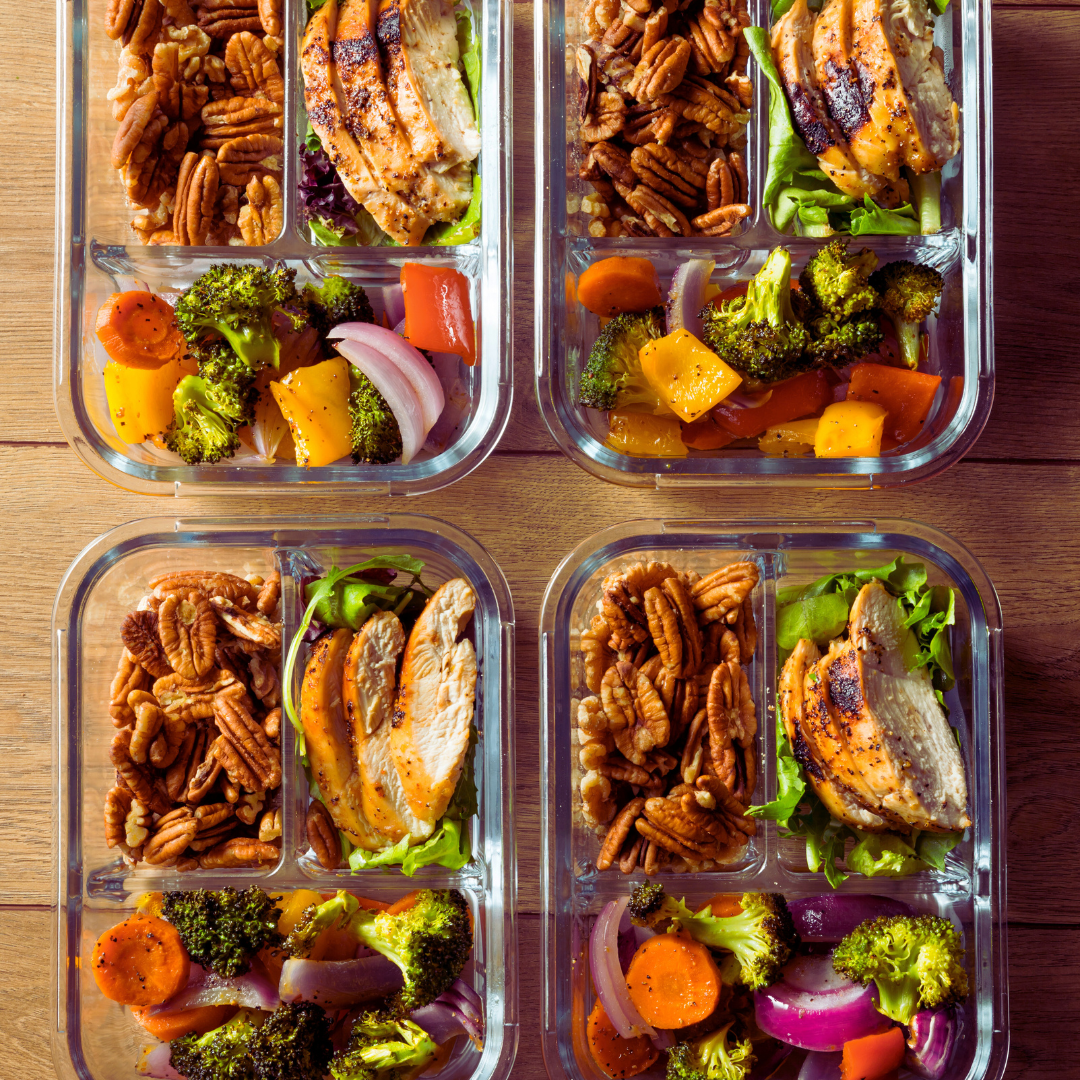
    Utilising meal prep containers can also help portion control, which is crucial for maintaining a balanced diet. For instance, a well-prepped meal might consist of brown rice, grilled chicken, and steamed broccoli, ensuring a rich source of protein, fibre, and other nutrients. Tailoring meals to personal nutritional needs can aid in achieving specific goals, such as weight management or increased energy levels.

    Importance of Balanced Diet

    A balanced diet emphasises the importance of integrating a variety of food groups, which aids in achieving nutritional harmony. By meal prepping, individuals can incorporate the necessary components of a balanced diet, including protein, healthy fats, and carbohydrates. This structured approach helps in ensuring that every meal contains adequate amounts of each food group.

    Consistent consumption of a balanced diet contributes to better digestive health, enhanced energy levels, and improved mood. For example, foods rich in fibre, like whole grains and legumes, can promote regular digestion and help control blood sugar levels. Including a range of fruits and vegetables in meals provides not only essential nutrients but also supports long-term health.

    Preventing Chronic Diseases

    Meal prepping can play a significant role in preventing chronic diseases such as heart disease and diabetes. By carefully selecting ingredients, individuals can create meals that are low in unhealthy fats and sugars, which are often linked to these conditions. Regular consumption of richly coloured vegetables and fruits aids in reducing inflammation and promoting heart health.

    Incorporating lean proteins and whole grains into meal prep routines can lower cholesterol levels and support cardiovascular fitness. For instance, using beans and legumes as protein sources can result in meals that are both nutritious and beneficial for heart health. Furthermore, consistent meal prep practices can encourage healthier eating habits, reducing the risk of developing food-related chronic diseases over time.

    Practical Benefits of Meal Prepping

    Meal prepping offers tangible advantages that can enhance daily routines. It streamlines cooking processes, reduces food costs, and minimises waste, which can significantly impact both time and resources.

    Time Management and Efficiency

    Meal prepping allows individuals to allocate a specific day, often referred to as a prep day, to prepare meals for the week. By dedicating a few hours to cooking, they can save considerable time throughout busy weekdays. Instead of spending time each evening cooking, they can simply reheat and serve prepared meals.

    This method also optimises grocery shopping. When lists are prepared alongside meal plans, individuals can shop more efficiently. It minimises impulse purchases, thereby saving time spent wandering the aisles. Using airtight containers for storage also simplifies reorganising meals in the refrigerator, helping to maintain order and accessibility.

    Economic Savings

    Financially, meal prepping can lead to significant savings. By buying groceries in bulk and planning meals around sales, individuals often lower their overall food expenditures. Pre-prepared meals can reduce the temptation to eat out, where costs per meal are significantly higher.

    Moreover, cooking large quantities at once typically makes better use of ingredients. This practice reduces reliance on convenience foods, which are usually more expensive. In the long run, those committed to meal prepping often notice a decrease in monthly grocery bills.

    Reducing Food Waste

    One crucial benefit of meal prepping is its impact on food waste reduction. Proper planning ensures that all purchased ingredients are utilised effectively. With meals prepped in advance, the likelihood of letting perishables spoil before consumption diminishes.

    Utilising airtight containers not only preserves the quality of prepared meals but also extends the life of ingredients. By preparing meals in appropriate portions, individuals can avoid leftovers that may go uneaten. Consequently, meal prepping encourages a mindful approach to food consumption.
    Many people buy meat in bulk for their weekly prep but change their plans halfway through the week. Knowing the rules for refreezing meat safely helps prevent unnecessary waste when schedules shift. If the meat was thawed in the refrigerator and kept cold, it can go back into the freezer without issue. This simple practice keeps food safe and saves money on grocery bills.

    Healthy Lifestyle and Food Safety

    Meal prepping supports a healthy lifestyle through balanced meal choices and adherence to food safety practices. By focusing on nutritious ingredients and proper storage techniques, individuals can maximise the benefits of their meal preparation efforts.

    Promoting Healthy Lifestyle Choices

    Meal prepping encourages healthy eating by providing opportunities to incorporate whole foods and simple recipes. Planning meals allows individuals to select recipes that align with their nutritional needs, such as incorporating more fruits, vegetables, and whole grains.

    Batch cooking is an efficient way to create healthy recipes that can be enjoyed throughout the week. For instance, preparing dishes on Meatless Monday can foster more plant-based meals, which are often lower in calories and higher in nutrients. This routine helps individuals maintain a balanced diet while also facilitating physical activity by providing energy-dense meals that support an active lifestyle.

    Understanding Food Safety Guidelines

    Food safety is crucial when it comes to meal prepping. Proper handling and storage of food can prevent foodborne illnesses. It is advisable to store prepared meals in airtight containers and refrigerate them promptly to maintain freshness and safety.

    Key food safety practices include:

    • Keep hands clean: Wash hands thoroughly before and after handling food.
    • Separate raw and cooked foods: Prevent cross-contamination by using different cutting boards and utensils.
    • Cook thoroughly: Ensure meats and other proteins reach safe internal temperatures.

    By adhering to these food safety guidelines, individuals can enjoy their meal-prepped foods without concern for health risks.


  • How To Cook the Perfect Sunday Roast

    How To Cook the Perfect Sunday Roast

    Are you looking for the perfect Sunday roast recipe? Well, look no further. This blog post will give you everything you need to know to make a delicious Sunday roast that your family and friends will love.

    If you want to cook the perfect roast, there are a few things you’ll need to keep in mind. First, you’ll need to choose the right cut of meat. A good rule of thumb is to go for a cut with some fat content – this will help keep the meat moist during cooking. You’ll also need to make sure that you cook the meat at the right temperature – too hot and it will dry out; too cold and it won’t cook through properly.

    Once you’ve sorted your meat, it’s time to consider your vegetables. The classic roast potatoes are always a good option, but you could also try roasting some root vegetables or green beans. And don’t forget the gravy! A good tip is to make gravy using the pan juices from the meat – this will give it a real depth of flavour.

    Let us take a look at some simple tips to help you cook the perfect Sunday roast.

    Don’t be overambitious

    Before we get into the recipe, there’s one important thing to keep in mind: don’t be overambitious. It’s very tempting to want to make the perfect roast, but trust me, it’s not worth it. Trying to make everything perfect will only result in stress and disappointment. So, relax, and enjoy the process. The key to a good Sunday roast is to keep it simple.

    Well-read

    The perfect Sunday roast is all about preparation. And that means starting with the right ingredients. When it comes to your roast, you want to ensure it is well-read. That means choosing a quality cut of meat, like a loin or rib roast, and ensuring it’s properly seasoned. With the right seasoning, your roast will be full of flavour and juicy. So be sure to read up on how to season your roast before you start. With a little planning, you can have the perfect roast that will be sure to please your family and friends.

    Make plans

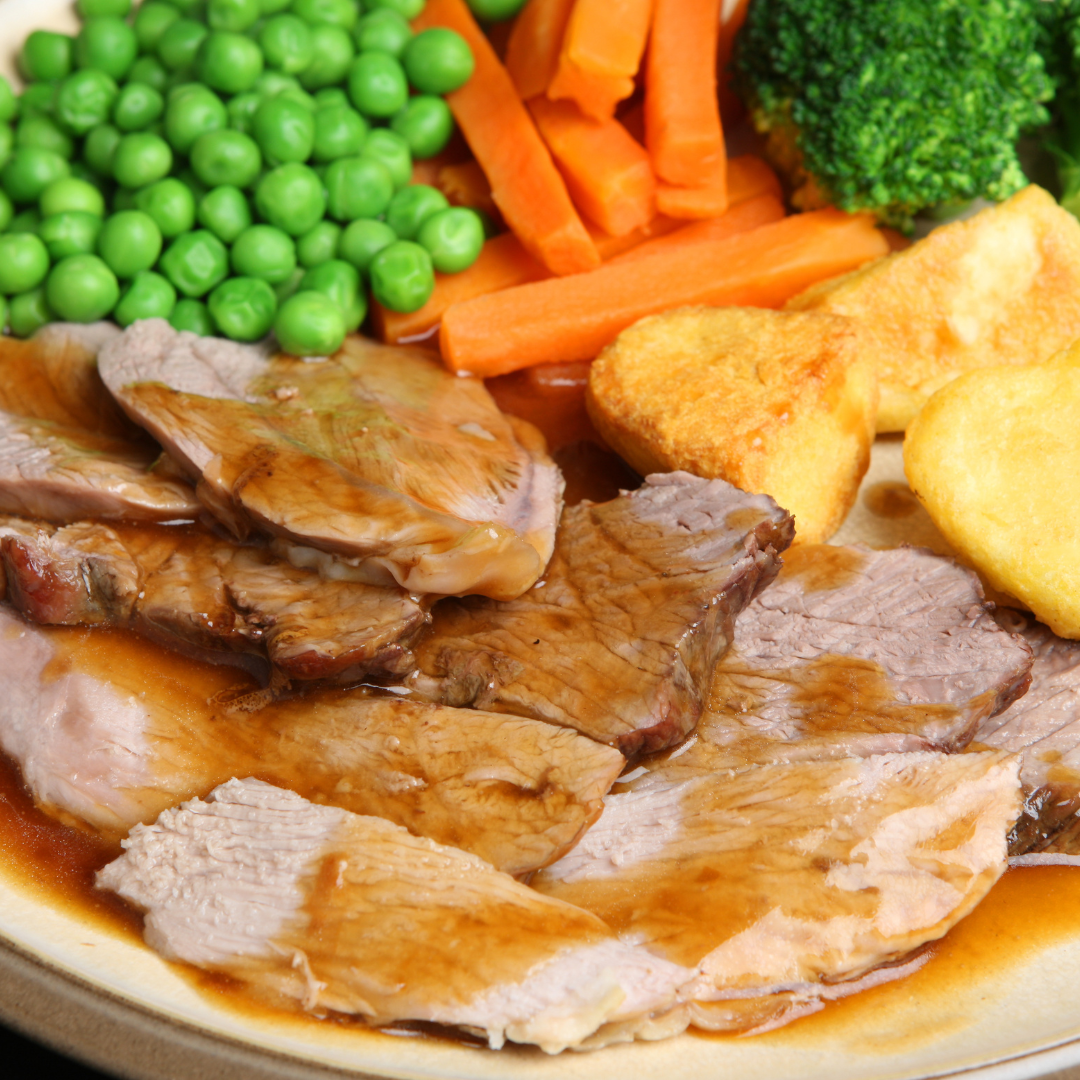
    The Sunday roast is a tradition for many families around the world. A roast dinner usually consists of roasted meat, potatoes, vegetables, and Yorkshire pudding. Some people also like to include gravy and other sauces. The key to a roast dinner is planning. By taking the time to plan ahead, you can ensure that your roast dinner is cooked to perfection and that everyone enjoys it. Here are some tips for planning the perfect roast:

    • Choose the right cuts of meat. Different cuts of meat will cook differently, so choosing the right cuts for your roast dinner is important. If you’re unsure which cuts to choose, ask your butcher for advice.
    • Plan how you’re going to cook the meat. Roasting meat can be tricky, so it’s important to plan how you’re going to cook it. Make sure you understand how different long cuts of meat need to cook and what temperature they need to be cooked at.

    How long?

    It’s the age-old question with no clear answer – how long should you cook a roast? For the perfect Sunday roast, there are a few things to consider:

    • The type of meat you’re cooking.
    • The size and weight of the joint.
    • Your own personal preference.

    Slow roasts are AMAZING!

    There’s nothing quite like a slow-roasted meat chunk. The perfect blend of juicy, succulent meat and crispy golden potatoes is enough to make anyone’s mouth water. But what’s the secret to achieving that perfectly cooked roast? The key is all in the preparation.

  • Is Juicing Healthy, Or Should We Stick to Smoothies?

    Is Juicing Healthy, Or Should We Stick to Smoothies?

    If you’ve ever wondered why people in the health and fitness industry believe certain drinks (like juices and smoothies) to be healthy and helpful, we’ve got the answer: The health and fitness industry is full of people who tell us what we want to hear and sometimes prop up statements that may not be completely true.

    Juicing is a term that is used for the act of extracting benefits from fruits and vegetables through the use of a juicer. This process makes it possible to get more nutrients, vitamins, and minerals from foods not normally eaten. As a result, the juice is said to be healthier for you. If you are interested in juicing, you will want to know the benefits of doing so.

    Many people are afraid of drinking fruit juice, but fruit juices are actually a nutritious part of a healthy diet. A glass of orange juice, for example, is a complete food, providing antioxidants and various vitamins and minerals, as well as those sweet, refreshing flavours. There are so many other possible combinations of fruits and vegetables and other ingredients to be cooked and blended to produce a variety of fruity drinks.

    Juicing used to be reserved for athletes, but these days it can be found in many households. Why? Because juicing helps you lose weight, improve your health, and enhance your overall lifestyle. When done right, juicing can take your health to the next level.

    As you know, juicing is great for many things that are good for your health, but some people are doubtful about the idea of consuming fruits and vegetables daily. If you are one of those people, you are not on your own. There are many people who are also sceptical of the idea of consuming fruits and vegetables on a daily basis, but they are on the wrong side of the fence.

    Although many people are juicing, it is a part of the daily routine – we drink a glass of juice when we wake up and throw in a fruit, vegetable or veggie into our smoothies in the mornings. Juicing is a healthy way of getting vitamins and minerals into your diet and is also a low-cost alternative to buying fruit and vegetables when you’re on a budget.

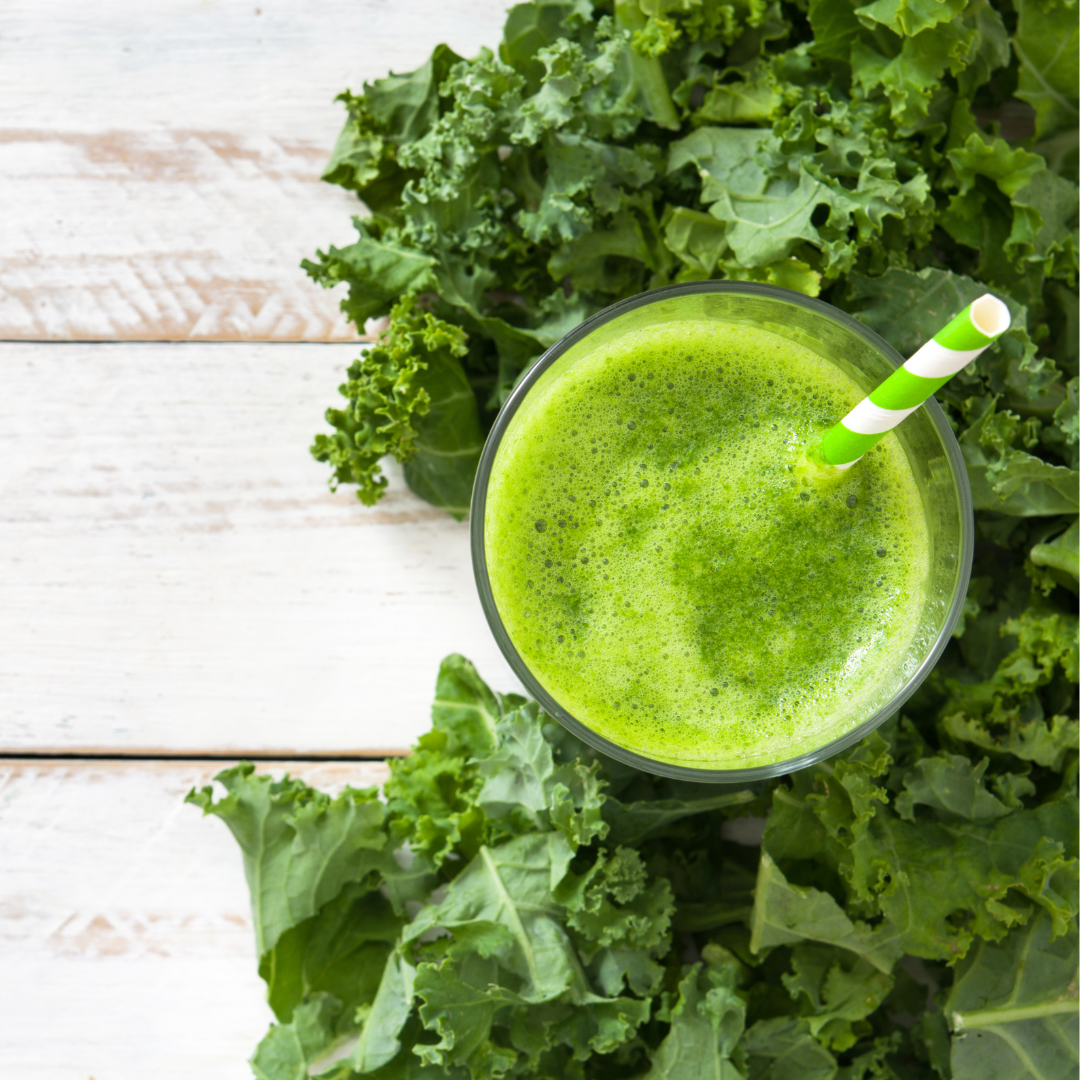
    As for smoothies, why are they also a good option? The answer is they are a great way to lose weight and improve overall health by combining fruits, vegetables, and other healthy ingredients. We all know that fruits and vegetables are good for us, and most of us eat them on a regular basis, but they can be expensive and time-consuming. By purchasing a blender and a few standard ingredients, you can create a delicious and nutritious drink for yourself in minutes. Blending most fruit and vegetables gives you a smooth and almost ice-cream-like consistency, and the added fibre and nutrients make it a healthy choice for anyone trying to lose weight or keep it off.

    Smoothies are all the rage these days. Instead of just drinking your typical juice, they are mixing fruit, vegetables, nuts, grains, seeds, and even protein powders in a blender to create a drink with all sorts of health benefits. The power of smoothies is in their versatility, not just in their delicious taste. You can mix up any fruit or vegetable and create a delicious smoothie. Smoothies are easy to prepare, contain no additives, and are all-natural, so you can feel good about feeding yourself. They provide you with an easy, healthy, delicious way to eat your fruits and vegetables.

    The ingredients to a perfect smoothie are a personal choice. But there are a few things to consider when making a smoothie: If you want a thick, healthy shake, add a lot of frozen or frozen fruit to make a thick, ice-cream-like consistency. Try adding 3/4 cup frozen berries, 1 banana, and 1-2 cups of applesauce. To keep smoothies from turning into a slurry, add a teaspoon of baking soda.

    It really depends on which one you want to go for. They both have health benefits and are better than some beverages.

  • How Can I Minimize Processed Meat Consumption?

    How Can I Minimize Processed Meat Consumption?

    Meat, and mainly processed meats, is one of the biggest threats to human health today. Studies have shown that processed meats (which include hot dogs, cold cuts, and bacon) contain chemicals that may lead to cancer.

    Processed meats aren’t exactly the most appetizing thing to even think about, but many of us eat them regularly without thinking twice. Addictive processed meats, such as hot dogs, bacon, and ham, are filled with artery-clogging sodium, unhealthy fat, and unhealthy preservatives. Not to mention the fact that artificially preserved meats also come with a laundry list of health risks.

    Here’s How Can I Minimize Processed Meat Consumption:

    • Eat plenty of vegetables

    Eating plenty of fruits and vegetables is a very simple way to minimize your consumption of processed meat. Processed meats are meats that have undergone extensive processing, such as salting, curing, and preserving. These foods include bacon, sausage, hotdogs, ham, salami, corned beef, pastrami, and chicken nuggets.

    • Shift shopping routine

    While planning your weekly grocery shopping, it’s easy to veer off course from your original list. And what ends up in your cart isn’t always the healthiest choice. Buying meat, fish, or poultry, for example, often means a trip to the supermarket’s frozen section. But did you know that frozen meats aren’t always the best choice? We eat fast, and it’s often convenience that leads us to eat processed foods rather than taking the time to make healthy meals from scratch. While it’s easy to grab fast food on the go, this habit can lead to high-calorie and unhealthy eating habits. Try shifting your grocery shopping routine to healthy foods to minimize processed meat consumption.

    • Undertake meal prepping

    If there’s one problem with healthy eating, eating well can get expensive. Eating out, buying fresh fruit and vegetables, and investing in good-quality meat can all add up quickly. One way to cut down on your budget is to cook and freeze meals. According to one study, preparing and cooking your meals can save you $1,200 a year.

    • Be creative in the kitchen

    Processed meats are a treat for many, but a diet that revolves around meat like bacon, hot dogs, deli meats, and sausages isn’t exactly a healthy eating plan. Fortunately, you can maximize the nutrition in your food while minimizing your meat consumption. It just takes some creativity and some know-how processing technique. Be creative in the kitchen. Try using ground turkey or chicken instead of pork, and try using more vegetables, fruits, and other lean meats. Also, consider cooking your meats with fruits or vegetables that naturally contain nitrates.

    • Set out some simple food swaps

    Fresh, unprocessed meats can be an excellent choice for promoting overall health and well-being while following a carnivore diet. While processed varieties like bacon, sausage, salami, and hot dogs have been linked to potential risks such as cardiovascular disease, breast cancer, colorectal cancer, and pancreatic cancer, you can minimize these concerns by opting for fresh, additive-free meats. By choosing meats that are free from curing, smoking, and processing, you can enjoy the benefits of a carnivore diet that includes high-quality protein sources while potentially reducing the health risks associated with processed meat consumption. Embrace the flavor and versatility of fresh meats, and savor the peace of mind that comes with making nutritious choices for you and your family.

    Choosing fresh, unprocessed meats can be a great way to support your overall health and wellness goals. While processed varieties like bacon and hot dogs are widely available, they often contain additives such as MSG, preservatives, and nitrates, which have been associated with potential health concerns. By opting for high-quality, unadulterated meats, you can enjoy the natural benefits of this nutrient-dense food without the unnecessary additives.

    When you consume fresh, unprocessed meats, your body can efficiently break down and digest the oils, fats and proteins through its natural digestive processes. This allows for optimal nutrient absorption and utilization, promoting overall well-being. In contrast, the highly processed nature of some meats can make them more challenging for your body to fully break down and assimilate, potentially leading to inflammation and other undesirable effects.

    By being mindful of your meat choices and prioritizing fresh, minimally processed varieties, you can feel empowered to nourish your body with wholesome, nutritious foods that support your health goals. Embrace the natural goodness of fresh meats and savor the satisfaction of making informed decisions that align with your commitment to a balanced, wholesome lifestyle.

  • What Are the Different Types of Food Recipes?

    What Are the Different Types of Food Recipes?

    Food is one of the great loves of humankind. We eat it all the time, and we even cook with it on occasion. Food comes in many different flavors, textures, and forms. Have you ever tried making pasta from scratch? It is easier to order a bowl of pasta online. But to cook it at home requires the knowledge of different ingredients, energy, and time.

    The good news is that all kinds of information regarding food recipes and ingredients can be found online, including here at That Was Fresh (blog). Think homemade to restaurant food recipes, and everything in between. Some of them have been shared here for your convenience.

    Here are the Different Types of Food Recipes:

    • Dessert Recipes

    The dessert recipes are recipes that are sweet and delicious. Dessert recipes can be very simple or very involved and complex. It all depends on your taste, ingredients, and likes and dislikes. The steps to making a good dessert pastry are the same. First, you need the right ingredients. You can make any dessert recipe with some basic ingredients. Then, you need the right technique. You need to understand the basic cooking techniques, such as beating, mixing, and rolling. These basics apply to any dessert recipe.

    • Appetizer Recipes

    Appetizers have something sweet, savory, or spicy to bring to the table. Few meals are as loved or loathed as an hors d’œuvre. Whether they’re miniature entrées or nibbles, they offer a chance to show your creative spirit. Are you ready to start your appetizer repertoire? Serving them up at your next summer cookout, cocktail gathering, or holiday meal is a great way to complement your main dishes.

    • Main Course Recipes

    Main course recipes are meat dishes, most typically consisting of a cut of meat that is slow-cooked and then chopped into chunks and served over, with, or within different kinds of pasta. The meat and pasta can be mixed and matched or kept separate, and sauces and broths can be used to enhance or compliment the flavor. When surrounded by dishes that are filled with carbs and fat, it can help to have something healthy and delicious waiting in the wings. These main-course recipes are wholesome and filling and will satisfy both your hunger and your craving for something delicious.

    • Side Dish Recipes

    Side Dish Recipes. Something is comforting about a big pot of tasty soup, a saucy casserole, or a baked dish bubbling away in the oven. Don’t you just love it when you get home from a long day, sit down to eat, and the first thing you smell is delicious aromas wafting through the house? Side dish recipes are not only easy to prepare, but they are also the perfect accompaniment to entrees. Side dish recipes are great because they are adaptable, versatile, and can be made to suit a variety of palates.

    Well, there’ve been a few different types of recipes as far as varying things are concerned. It’s your choice as to what type of recipe you choose to make. In that regard, you can consider looking at recipe websites such as The Recipe Book, or ones like them when it comes to choosing the perfect recipe. Whether you’re looking for a quick and easy weeknight meal or an elaborate dish to impress your guests, these culinary websites can get you covered.

    Food recipes mainly include food items, ingredients, and preparation methods. Food recipes can be classified according to the number of ingredients, the cooking method, the cooking equipment, the preparation method, the preparation equipment, the cooking duration, the cooking process, or even the time required for preparation. Food recipes come in all shapes and sizes: there are egg recipes, pancake recipes, bread recipes, cookie recipes, cake recipes, casserole recipes, and more, and the list goes on. There are food recipes that are quick and easy to cook and ones that take more time and require more ingredients.

  • How To Grow Organic Food Supplies?

    How To Grow Organic Food Supplies?

    Growing your food is a great way to save money, eat healthier, and get more control over your food supplies. But, how do you go about growing your organic supplies? To start, grow what’s right for you. Next, find a place where you can grow your crops (for instance, you can find Ranches for sale in an ideal location where you can grow your crops without any hindrance).

    Though it is a good idea to grow your own food, know that you have to learn about a lot of things related to farming. It could be simple things like how often should you water your blueberry plants (click here to read more), if you have them, or when do I trim the endings so that growth can be facilitated. Also, knowing the difference between annuals and perennials might also help you greatly. Annuals grow and bloom for one season, and perennials grow for two or more. Knowing this will help you better understand which plants to grow and when to plant them. Moreover, if you are planning to set up a greenhouse for these crops, you can look for Greenhouse Design that can work for your plantations. Greenhouses can be designed by taking into account what crops you are planning to grow and their specific requirements like air, light, warmth, water and nutrients.

    Here’s how to grow organic food supplies:

    • Crop Rotation

    Crop rotation is a gardening technique in which plant varieties are alternated each year. As the soil becomes depleted of certain nutrients, they are replenished by planting another crop. Crop rotation prevents disease by allowing the nutrients in the soil to be consumed by plants in alternating seasons. The benefits of crop rotation include:

    * Adding diversity to your garden.

    * Increasing the harvest.

    * Preventing pest infestation.

    * Increasing the value of your garden produce.

    • Biological Pest Control

    Organic farming is a wonderful extension of your gardening hobby. Organic gardening uses methods that help the soil retain moisture, increase soil fertility, provide beneficial insects for pest control, and enhance plant and crop growth. These methods also help the environment by reducing the carbon footprint of conventional farming. If you still happen to face pest issues despite exercising this particular farming method, it might be wise to get in touch with a company that deals with all in one pest control in Charlottesville or in your local region. They might have the necessary tools and supplies to get rid of the pest problem completely.

    • Mechanical Cultivation

    Organic farming is a very labor-intensive process. Cultivating organic food can be time-consuming, costly, and frustrating. But it doesn’t have to be. Organic farmers have discovered an effective way to grow organic food supplies without much effort. Mechanical cultivation is a new technology that saves labor, significantly improves yield, and enables the organic farmer to get food on the table quickly.

    • Green Manures and Compost

    Organic food can be more expensive to produce than conventionally grown foods, but you can do plenty of things at home to save money and cut costs. Compost is an effective way to save money on your organic garden supplies-and it’s free, too! Composting is the process by which organic matter is broken down by microorganisms into humus (which can be used in your garden), carbon dioxide, and water. You can make your compost pile in your backyard by layering different materials in layers, adding water, and then regularly turning and mixing the materials. Or you can buy compost bins and pile your scraps into them, turning them every few days. Organic gardening is a great source of healthy, chemical-free produce. But growing organic produce can be costly since you need to purchase more organic seeds and fertilizers. Learn how to grow organic produce in your next container garden by composting manure, chicken, and rabbit poops and turning it into organic fertilizer for your garden.

    Gardening used to be thought of as a hobby, but with more and more of us needing to eat more locally, many realize that growing your food is more viable than ever. With the rising cost of food, many people are looking into growing their fruits and vegetables. Whether a few herbs on your windowsill or an entire garden, organic food can drastically cut down on the amount of money you spend on groceries each month, not to mention they are healthier for you.

    Organic gardening is all the rage and with good reason. Growing your food not only saves money, but can also help you eat healthier, be environmentally friendly, enjoy fresher foods, and, of course, grow an abundance of healthy produce. If you’re still not convinced it’s time to ditch the store-bought produce, consider that organic options are less prone to pesticide exposure and that organic produce often tastes better.

  • How To Break Down a Chicken

    How To Break Down a Chicken

    We all know that the trick to good home cooking is to use the right tools, whether it’s an apron, a sharp knife, or a good cutting board. While we need those tools, knowledge holds the key to effective cooking. We are not just referring to the recipe but also how you chop the meat to be used. Chicken is one of the most popular meats in the world, and it is the most popular meat in America. Being the most popular meat, do you know how to break down a chicken?

    Chicken: Every Part Counts

    Before we go to how to break down a chicken, let’s get to learn more about the meat part of the chicken.

    Chicken pieces are one of the easiest things to eat and use in the kitchen. When you eat a chicken, you’re getting not just the parts you like, but all the other parts as well. To break down a chicken, you have to have a good understanding of how the chicken is put together. The main parts of a chicken that you need to know about are the breast, drumstick, thigh, and leg.

    For example, the thighs and legs are a little fattier and less tasty, but the breasts are a bit leaner and tastier. Furthermore, the breasts are made of smaller pieces of meat since a whole chicken breast has a few extra pieces in it; like the leg and thigh, there are a few smaller pieces of breast meat. Meanwhile, the wings are a bit salty and tasty, but the drumsticks are a bit fattier and more tasteless.

    If you’ve ever tried to break down a chicken, you know how difficult it is to get the meat off the bones. The problem is that the bones are very fragile, and most people just cut them off. But, if you want to get the best chicken in the world, it’s important to learn how to break down a chicken. If you do it right, the chicken will be incredibly tender and flavorful, and you’ll be able to shred the meat from the bones.

    How do we break down a chicken?

    Have you ever wondered how to break down a chicken? Well, there are two ways, one gentle and one not so much.

    1. The easy way is to grab the bird by the back legs, pull down, break the spine and neck, and hold each half piece, so the bird is flat on the table. Then, you can use your knife to saw through the backbone and tear it into pieces.
    2. The hard way is much more tedious but also much more effective. It requires finding a neighbour who wants to help you split the bird, then cutting off the wings and head. It also requires the bird to be roasted over a fire with the backbone and head on the lower part of the carcass so that they can be easily pulled off.

    Which of them is best? That’s easy. The best way to break down a chicken is to slowly and carefully cut down the spine of the chicken, then the leg bones, then the wing bones, and finally the breast bones using a sharp knife. Also, debone the chicken as carefully and slowly as you can, because if it isn’t cut well, the meat will not be cooked as well.

    Other important things to consider…

    Chicken is one of the most common meats in the world and is commonly enjoyed as a part of many dishes. The act of breaking down a chicken involves removing its parts, and the most common type of chicken is a roaster, which is usually bought whole and then butchered. A roaster chicken, which is a young chicken, can weigh anywhere from 5-8 pounds, depending on the size of the chicken itself. Since a roaster chicken is young, it has less meat and is also tougher, though this can be fixed by cooking it correctly.

    Most of us are afraid of breaking down a chicken. We’re afraid of being exposed to all the blood, fat, and gore, and we’re reluctant to get our hands dirty; we worry about the mess and our lack of chicken experience. But sometimes, we just need the meat for one thing or another, and breaking down that chicken is sometimes the only way to get it.