
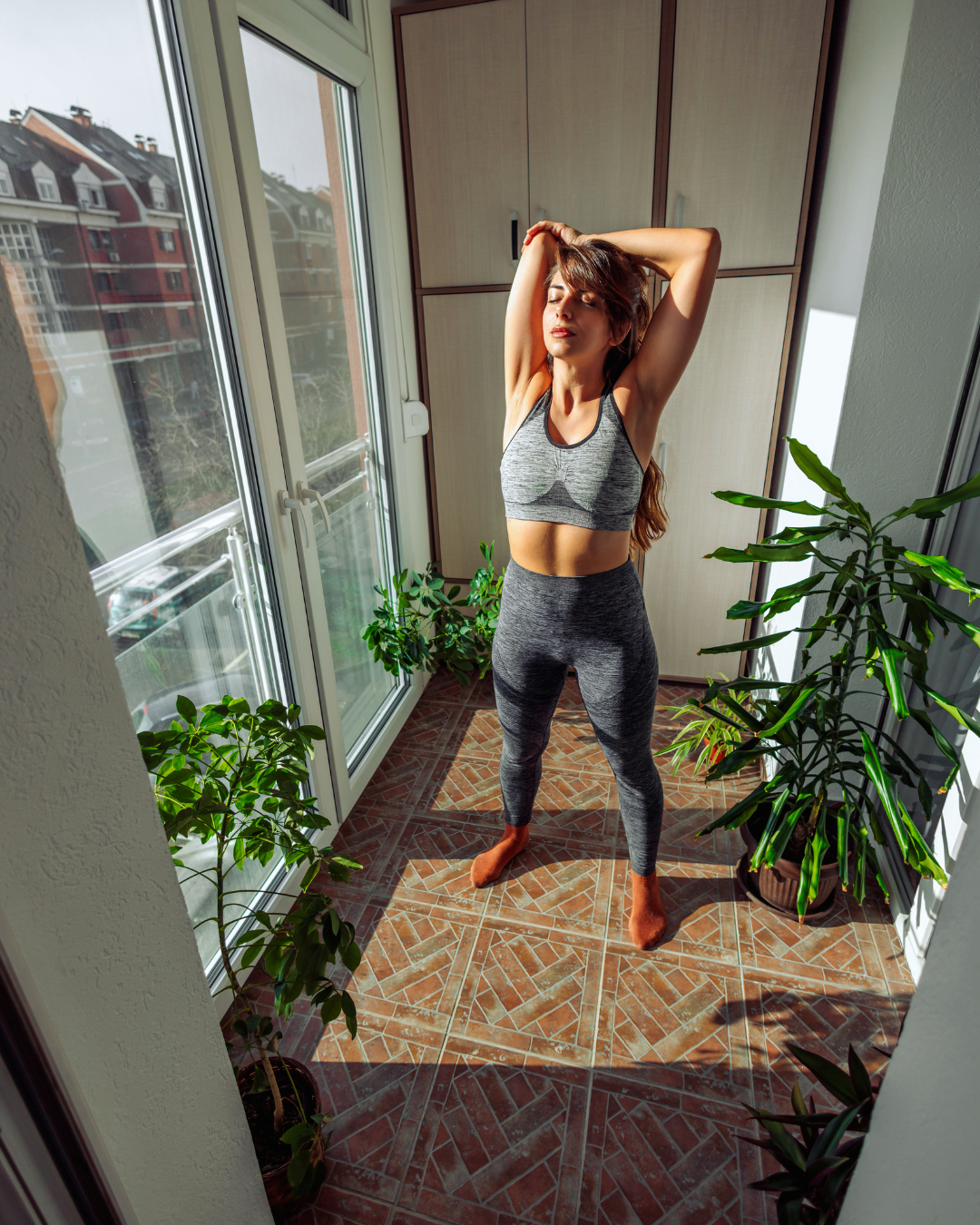
Creating a wellness space at home can significantly improve mental clarity and reduce stress. A dedicated area designed for relaxation, mindfulness, and self-care helps individuals cultivate a healthier daily routine and enhances overall well-being. Such a space does not require much room or investment but must be thoughtfully arranged to meet personal needs.
They can include elements like natural light, comfortable seating, calming colours, and minimal distractions. Adding plants or soothing scents also contributes to a peaceful atmosphere. These choices enable anyone to step away from daily pressures and focus on mental and physical health within their own home.
Foundations of a Home Wellness Space
Creating a dedicated area for wellness at home requires clear priorities around purpose, setting, and balance. Each element plays a role in shaping a space that supports well-being and encourages consistent use.
Defining Your Wellness Goals
The first step involves identifying specific wellness goals. He or she should ask whether the space is for relaxation, meditation, exercise, or a combination. Clear goals guide design choices, furniture, and equipment.
Wellness goals might include reducing stress, improving flexibility, or enhancing mental clarity. Defining these helps in selecting appropriate tools like yoga mats, soft lighting, or sound systems. Goals should be realistic and adaptable as needs evolve.
Writing down objectives creates a tangible reference to return to during the process. This clarity helps avoid clutter and ensures the wellness room remains purposeful rather than decorative.
Choosing the Right Location
Location significantly impacts a wellness space’s effectiveness. Ideally, it should be quiet, private, and free from heavy foot traffic to support focus and relaxation.
Natural light is beneficial and can boost mood and energy levels. However, the space should also allow control over illumination with blinds or curtains. Ventilation is essential to maintain fresh air and comfort.
The size of the area must align with the intended activities. A small corner may work for meditation, while a larger room is necessary for stretching or exercise. Accessibility also matters; the wellness zone should be easy to enter and exit without disruption.
Balancing Intention, Function, and Space
A home wellness room must balance intention, functionality, and available space. The design should reflect the user’s wellness priorities without sacrificing usability.
Intention drives which elements are essential, such as plants for a calming effect or shelves for storage. Function prevents overcrowding, so each item serves a purpose related to well-being.
Space constraints require thoughtful organisation. Multi-use furniture or wall-mounted accessories can optimise the area. Maintaining clear floor space supports movement and reduces distractions.
By integrating intention and function within the physical space, the wellness room fosters a consistent, positive environment for well-being.
Essential Elements and Design Features
A wellness space benefits from intentional choices in colour, materials, lighting, air quality, and storage. Each aspect contributes to a calm, organised environment that supports relaxation and wellbeing.
Calming Colours and Materials
Calming colours like soft greens, muted blues, and gentle greys create a peaceful atmosphere. These shades reduce stress and promote mental clarity.
Natural materials enhance this effect. Wood, cotton, linen, and wool add tactile warmth and subtle texture. Rubber flooring can be a practical option, offering comfort and soundproofing, which helps maintain tranquillity.
Avoid bright, harsh colours that may overstimulate. Instead, choose matte or soft finishes to reduce glare and visual noise.
Optimising Natural Light and Lighting Solutions
Natural light is vital for mood and energy. Position the wellness space near windows to maximise daylight. Use light, sheer curtains to soften incoming light without blocking it.
In darker areas or evening hours, layered lighting helps. Combine dimmable overhead lights with warm-toned lamps for flexibility. Avoid cool, blue-tinted bulbs as they can disrupt relaxation.
Consider soundproofing elements to reduce external noise. This supports the calm environment by maintaining quietness.
Air Quality and Natural Elements
Clean air enhances comfort and focus. An air purifier can reduce dust and allergens, improving breathing quality in the space.
Incorporate air-purifying plants such as peace lilies and snake plants. These plants absorb toxins and add a natural, soothing presence.
Ventilation is important too. If possible, open windows regularly or use fans to circulate fresh air.
Storage Solutions for a Clutter-Free Space
Clutter disrupts calm. Effective storage helps maintain order and visual simplicity.
Storage ottomans provide dual function—seating and hidden space for items like cushions or yoga mats. Shelving with baskets keeps smaller objects organised but accessible.
Built-in cupboards or minimalist cabinets reduce visual distraction. Choosing storage with clean lines and natural finishes complements the design without overwhelming it.
Creating Dedicated Wellness Zones
A functional wellness area relies on distinct zones tailored to specific activities. Each zone should have purpose-driven elements that maximise comfort and promote effective practice.
Meditation and Mindfulness Areas
A designated meditation space should be quiet and free from distractions. It often includes a comfortable seat, cushion, or mat placed in a calm corner or separate room. Soft lighting and neutral colours enhance relaxation.
Incorporating a white noise machine or sound system playing calming music supports concentration. Adding simple décor like plants or minimalist art can deepen mindfulness practice.
Essential oil diffusers work well here, releasing calming scents such as lavender or chamomile. This helps establish a sensory environment conducive to meditation or mindfulness exercises.
Yoga and Stretching Corners
A yoga corner needs enough open floor space to accommodate a yoga mat and movement. Good ventilation and natural light improve the experience.
Essential accessories include blocks, straps, and resistance bands to aid flexibility and strength. A mat with a good grip ensures safety during poses.
Installing a small shelf for free weights and other tools allows for integrated stretching and light strength training. Soft, calming colours help maintain focus.
Aromatherapy and Sensory Spaces
Aromatherapy zones centre on diffusing essential oils to create a soothing atmosphere. These zones require minimal furniture and can be set up with a variety of essential oil diffusers.
Choosing oils like eucalyptus, peppermint, or sandalwood serves different purposes, such as relaxation, invigoration, or focus.
Lighting should be adjustable to complement sensory stimuli. Incorporating tactile elements, for example, soft cushions or textured fabrics, enhances the multisensory effect.
Fitness and Movement Zones
A home gym area needs durable flooring suitable for exercise. Space should allow for a range of activities like cardio, strength training, and stretching.
Essential equipment includes free weights, resistance bands, and a yoga mat. A sound system can provide motivating music or workouts.
Mirrors help monitor form and posture. Clear organisation and storage solutions ensure the space remains inviting and safe.
Enhancing Relaxation and Well-Being
A well-designed home wellness space supports relaxation, stress reduction, and physical comfort. Selecting features that promote detoxification, soothe the senses, and improve mood contribute to a balanced environment.
Spa-Inspired Features and Home Saunas
Integrating a home sauna, especially an infrared sauna, enhances detoxification by increasing circulation and promoting sweat-based cleansing. Infrared saunas use light to heat the body directly, offering gentle warmth that can be tolerated longer than traditional saunas.
Including elements like a massage chair can simulate spa treatments, relieving muscle tension and improving circulation. Pairing this with soft, natural materials and comfortable seating creates an inviting home spa experience.
Consider adjustable lighting and aromatherapy diffusers to complete the sensory environment, supporting a deeper sense of calm and renewal.
Water Features and Relaxing Fountains
Water features add a natural element that encourages mindfulness and relaxation through gentle, consistent sounds. Small water fountains or indoor water features work well in limited spaces, producing white noise that masks distracting sounds.
The motion of flowing water can lower stress by engaging the visual and auditory senses. Regular maintenance is necessary to prevent algae and noise disruptions, ensuring a tranquil atmosphere.
Positioning water features near seating or relaxation zones helps create a soothing focal point that complements other wellness elements.
Incorporating Light Therapy and Himalayan Salt Lamps
Light therapy lamps are effective for combating seasonal mood changes and enhancing energy levels by delivering specific wavelengths of light. Using these lamps in the morning can help regulate circadian rhythms and improve alertness.
Himalayan salt lamps contribute a softer, warm glow that many find calming. Although scientific support is limited, they may reduce airborne irritants and enhance the ambience in relaxation areas.
Combining light therapy with dimmable options allows for tailored lighting suited to the time of day and personal preference, supporting both vitality and rest.
Music and Sound for Stress Reduction
Calming music plays a crucial role in reducing stress and promoting mental clarity in a wellness space. Using speakers or specialised sound systems, one can play nature sounds, ambient tones, or gentle instrumental music.
Sound choices should be low volume and consistent to avoid stimulation that interrupts relaxation. Integrating sound with other elements like water features or a massage chair increases the overall effectiveness of the environment.
Consider curated playlists or apps designed for meditation and stress relief, ensuring control over content and duration.